Online Schooling and Social Skills: What You Need to Know
In recent years, online schooling has become a significant part of education, offering flexibility and accessibility to students around the globe. While this method of learning has numerous advantages, you may wonder how it impacts the development of social skills. Understanding the balance between online learning and social interaction is crucial for students, parents, and educators alike. In this article, we’ll explore the relationship between online schooling and social skills, addressing common concerns and offering practical tips to help you navigate this landscape effortlessly.
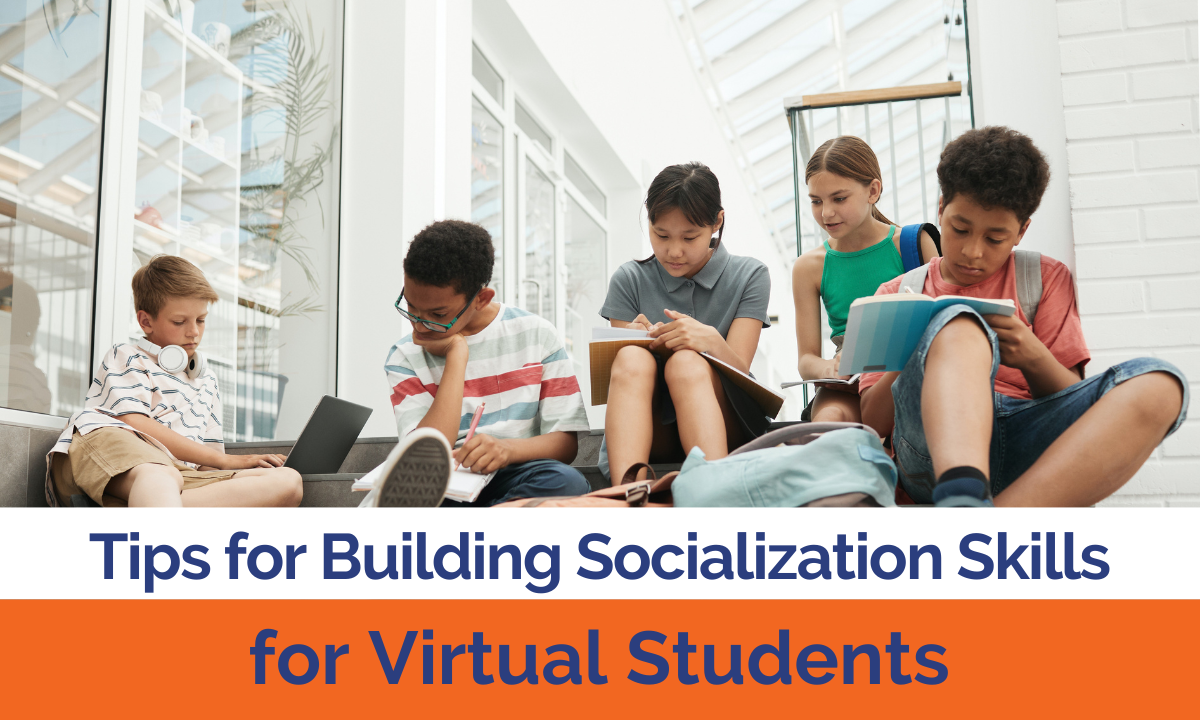
The Rise of Online Schooling
Online schooling has grown exponentially due to technological advancements and a need for flexible learning environments. You might have noticed that this model of education offers students the chance to learn from home, eliminating the need for daily commutes and allowing them to study at their own pace. Whether you’re enrolled in a full-time online institution or participating in blended learning, the rise of digital education brings a new set of opportunities and challenges.
The appeal of online schooling is evident: you can access a wealth of resources, engage with interactive content, and even connect with peers from different parts of the world. However, you may also be grappling with how this mode of education affects your social interactions. While the internet may seem to narrow our face-to-face connections, it offers unique opportunities for building and maintaining friendships through digital means.
Understanding Social Skills
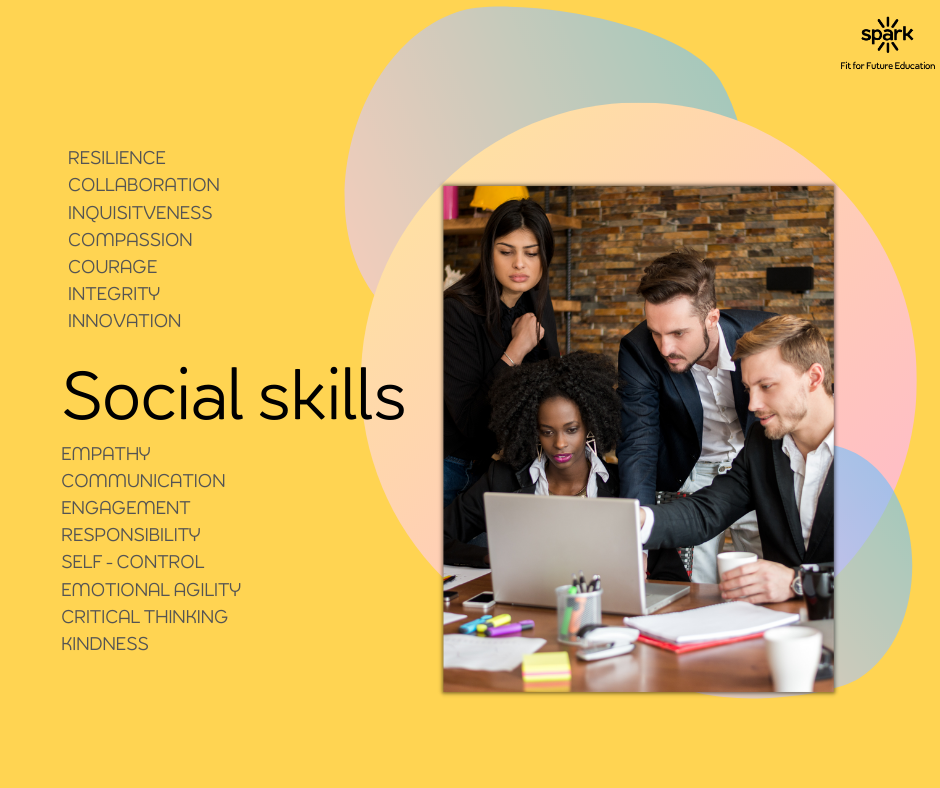
Social skills are the tools you use to interact and communicate with others effectively. They encompass a variety of competencies, including verbal and non-verbal communication, active listening, empathy, cooperation, and conflict resolution. Developing these skills is crucial for personal and professional success, not to mention your overall well-being.
In traditional schooling environments, social skills are often nurtured through group activities, conversations in the hallway, and participation in extracurricular events. You might find that these day-to-day interactions mold the way you relate to others. Thus, it’s important to explore how online schooling can provide similar opportunities for social development.

Online Schooling and Social Skills: The Connection
You may wonder if online schooling hinders social skill development. The truth is, the impact of online learning on social skills can vary significantly based on individual circumstances and how you approach your education. For some, the lack of face-to-face interaction may pose a challenge, while others may thrive, finding new ways to connect with peers.
One critical component to consider is the varied methods of communication available in an online education setting. With tools such as video conferencing, messaging apps, and discussion boards, you can maintain contact with classmates and teachers. These platforms allow you to engage in group projects, interactive discussions, and even virtual study sessions. While it may lack physical presence, the essence of collaboration remains intact.
The Myth of Isolation
One common myth surrounding online schooling is that it leads to social isolation. While it can sometimes feel that way, you have the power to counteract this phenomenon. Online schooling doesn’t have to mean spending all your time alone in front of a computer. Instead, view it as an opportunity to seek social interaction in various formats.
Make it a point to join virtual clubs, participate in online events, and connect with classmates through social media or gaming platforms. By stepping outside your comfort zone and actively seeking engagement, you can foster friendships and create a support network that enriches your learning experience.
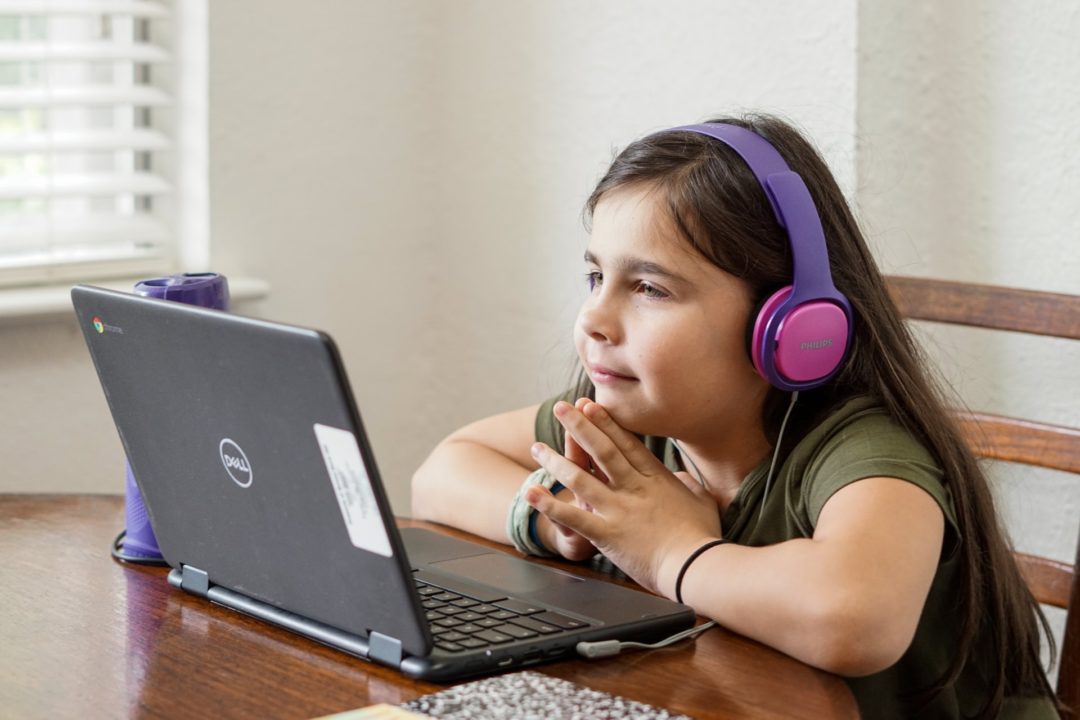
Strategies to Enhance Social Skills in Online Schooling
Embrace Online Communication Tools
You may already be familiar with popular communication platforms like Zoom, Google Meet, or Discord, but have you explored them to their full potential? These tools are not just for attending lectures; they can also be used for casual interactions. Don’t hesitate to initiate study groups or casual hangouts with your peers.
Engaging in casual conversations helps strengthen relationships and builds camaraderie, which can significantly enhance your social skills. The more you practice communicating with others, the more comfortable and capable you’ll become in navigating both online and face-to-face interactions.
Balance Asynchronous and Synchronous Learning
In an online schooling environment, you may encounter both asynchronous and synchronous learning styles. Asynchronous learning provides flexibility, allowing you to complete assignments on your schedule, but synchronous learning, which occurs in real-time, is where social interactions can flourish.
Take advantage of synchronous sessions by actively participating in discussions, asking questions, and engaging with your instructors and classmates. By making your presence known, you help create an interactive learning atmosphere that fosters dialogue and connection.
Utilizing Non-Academic Activities
Join Interest-Based Online Communities
Finding like-minded individuals can significantly enhance your social experience in an online schooling environment. You can explore your interests—be it gaming, art, coding, or any other hobby—by joining online communities. Platforms like Reddit, Discord, and Facebook groups offer a space to connect with others who share your passions.
Engaging in these communities not only nurtures friendships but also develops your communication skills. Sharing ideas, collaborating on projects, and participating in discussions can significantly enhance your ability to connect with others when face-to-face opportunities arise.
Participate in Online Extracurricular Activities
Just because you’re learning online doesn’t mean you have to miss out on extracurricular activities. Many schools offer virtual clubs, sports teams, and events that encourage social interaction and teamwork. You might consider joining a debate club, a coding team, or even a virtual environmental group.
These activities not only allow you to connect with others but also help enhance important skills such as leadership, teamwork, and conflict resolution. By engaging in extracurricular activities, you’re setting the stage for both personal growth and meaningful connections.
The Role of Parents in Social Skills Development
If you’re a parent, you play a vital role in your child’s social skill development while navigating online schooling. Encouraging social interactions in a digital landscape can be a new challenge, but with a proactive approach, you can foster an environment that nurtures relationships.
Set Up Virtual Playdates
If your child has friends who are also engaged in online schooling, why not set up virtual playdates? These opportunities for casual conversations can occur through video calls or collaborative gaming sessions. Playdates allow children to maintain friendships while fostering a sense of normalcy during their education.
Encouragement from you can go a long way. Talk to your child about the importance of staying connected, and help facilitate opportunities for them to engage with their peers.
Promote Educational Opportunities Outside the Home
Consider signing your child up for local or online classes and workshops related to their interests. These settings provide excellent opportunities for social interaction and can significantly enhance your child’s confidence in their social abilities.
Whether they explore art, science, coding, or any other subject area, educational opportunities outside the home can help them forge new connections while developing skills that may benefit them academically and socially.
Addressing Challenges in Online Schooling
Despite the unique opportunities online schooling provides, there are challenges to confront regarding the development of social skills. It’s essential to recognize these barriers and take proactive steps to minimize their impact.
Combating Loneliness
One of the most significant challenges you might face in an online learning environment is combating loneliness. You might feel isolated from peers, making it essential to actively seek social interactions. Prioritize communication with classmates and even extend your outreach beyond school by maintaining relationships with friends from previous institutions.
Consider keeping a journal to reflect on your feelings. Writing down your thoughts can help clarify your emotions and potentially highlight solutions to overcome feelings of loneliness.
Navigating Digital Communication Barriers
Navigating conversations through screens can be complex. Non-verbal cues, such as body language and facial expressions, may be hard to read in a digital setting. You may find that misunderstandings arise more easily in online discussions.
To combat this, focus on clear communication. When discussing assignments or sharing ideas, strive to articulate your thoughts in detail, practicing active listening when receiving responses. Encouraging an open dialogue where everyone feels comfortable asking for clarification can minimize miscommunication.

The Transition Back to Traditional Schooling
For many students, the eventual return to a traditional school setting, whether full-time or part-time, may occur. This transition can be daunting, especially if you’ve spent a prolonged period learning online. However, understanding this shift can help minimize your anxiety.
Preparing for Face-to-Face Interactions
Prioritize preparing yourself for face-to-face interactions before transitioning back to traditional schooling. Engage in social situations outside of your education setting, such as community events, family gatherings, or hobby classes.
Consider participating in group activities where you can practice conversation skills and reconnect with peers. This gradual exposure can ease the transition and boost your confidence when reintegrating into a traditional classroom.
Seeking Support
If you find the transition challenging, don’t hesitate to seek support. Whether through school counselors, friends, or family, you have avenues to navigate your feelings and concerns. Open conversations about your experiences, fears, or questions can enhance your understanding of social dynamics in school.
The Path Forward
As you navigate the world of online schooling and its impact on social skills, it’s essential to remain proactive and intentional about your interactions. You possess the power to cultivate your social abilities, even within the limitations of a digital environment.
You may encounter various challenges, but remember, growth often comes from stepping out of your comfort zone. By taking initiative, exploring resources, and seeking connections, you can thrive in online schooling while maintaining and even enhancing your social skills.
Conclusion
Ultimately, the journey through online schooling and social skill development is one that requires understanding, effort, and adaptability. It’s not just about academic success but building meaningful relationships and effective communication. Whether you’re a student, parent, or educator, embracing the unique opportunities that online schooling offers can lead you to a fulfilling educational experience.
As you move forward, remember that the challenges you face are part of the learning process. Don’t hesitate to reach out to peers, engage in conversations, and explore new avenues for connection.
If you found this article helpful, please take a moment to clap for it, leave a comment with your thoughts, and don’t forget to subscribe to my Medium newsletter for updates! Your engagement is appreciated, and together we can foster a community committed to growth and support in this digital age.