
When you choose to homeschool, one of the most significant challenges you may face is the lack of socialization opportunities for your child. Unlike traditional schooling, where children interact with peers daily, homeschooled children often miss out on spontaneous social interactions that occur in a classroom setting. This absence can lead to feelings of loneliness and isolation, as your child may not have the same opportunities to develop friendships and social skills.
You might find yourself actively seeking out playdates, community groups, or extracurricular activities to fill this gap, but these efforts can sometimes feel insufficient. Moreover, the socialization that occurs in a school environment is not just about making friends; it also involves learning how to navigate complex social dynamics. Your child may miss out on essential lessons in conflict resolution, teamwork, and empathy that are often learned through group activities and peer interactions.
As a parent, you may need to be particularly vigilant in creating opportunities for your child to engage with others, whether through sports teams, clubs, or community events. The responsibility of ensuring your child develops strong social skills can weigh heavily on you, adding another layer of complexity to the homeschooling experience.
Key Takeaways
- Lack of socialization can lead to a lack of important social skills and experiences for homeschooled children.
- Limited access to specialized resources such as laboratories and equipment can hinder a child’s education in certain subjects.
- Potential for isolation can lead to feelings of loneliness and a lack of exposure to diverse perspectives.
- Homeschooling can strain the parent-child relationship as the parent takes on the role of both educator and caregiver.
- Inadequate preparation for the real world can result from a lack of exposure to different teaching styles and social dynamics.
- Financial strain can occur as parents may need to invest in educational materials and resources for homeschooling.
- Balancing work and homeschooling can be challenging for parents, leading to stress and time management issues.
- Lack of accreditation can impact a homeschooled child’s ability to gain entry into certain colleges and universities.
- Potential for burnout is high for parents who take on the responsibility of homeschooling their children.
- Limited extracurricular opportunities can hinder a child’s ability to explore their interests and talents outside of academics.
- Impact on parent’s social life can result from the time and energy required for homeschooling, leading to a lack of social interaction for the parent.
Limited Access to Specialized Resources
Another challenge you may encounter while homeschooling is limited access to specialized resources that traditional schools typically provide. Public and private schools often have access to a range of facilities and materials, including science labs, art studios, and libraries stocked with diverse resources. As a homeschooling parent, you might find it difficult to replicate these environments at home.
While there are many online resources available, they may not always offer the hands-on experiences that can enhance learning. You may also find that certain subjects require specialized instruction that you are not equipped to provide. For instance, if your child has an interest in advanced mathematics or a foreign language, you might struggle to find the right curriculum or teaching methods that suit their needs.
This limitation can lead to frustration for both you and your child, as you navigate the complexities of finding appropriate resources. You may need to invest time in researching local co-ops or online classes that can supplement your teaching and provide access to specialized knowledge.
Potential for Isolation
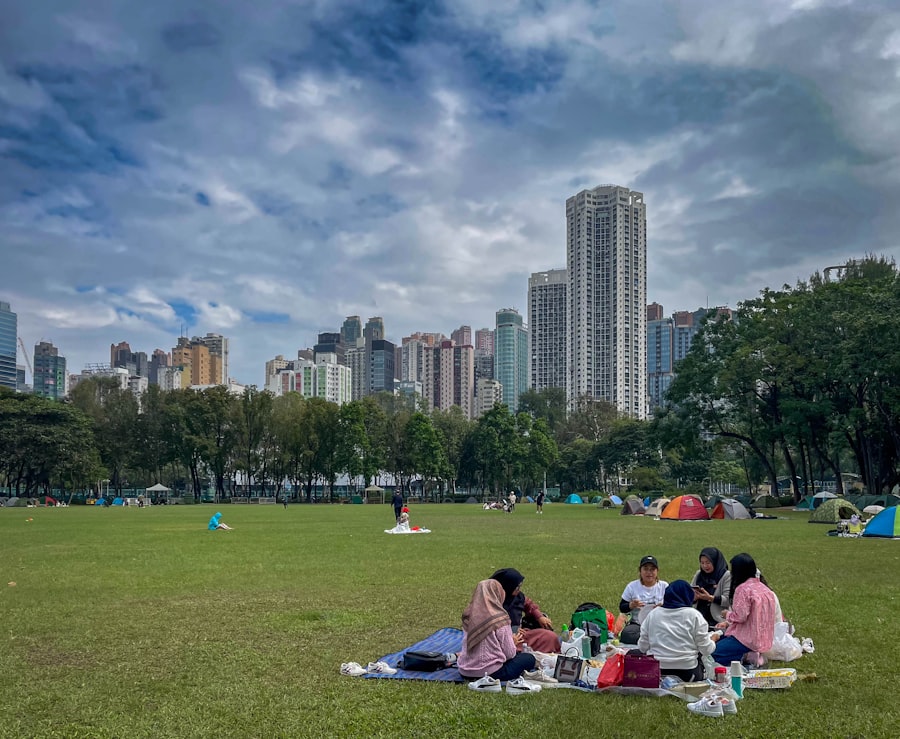
The potential for isolation is another significant concern when it comes to homeschooling. While the intention behind homeschooling is often rooted in providing a tailored educational experience, it can inadvertently lead to feelings of seclusion for both you and your child. Without regular interaction with other families or children, you may find yourself feeling disconnected from your community.
This isolation can be particularly pronounced if you live in a rural area or a place where homeschooling is less common. As a parent, you might feel the weight of this isolation even more acutely. The lack of adult interaction can lead to feelings of loneliness and stress, as you juggle the responsibilities of teaching and managing household duties.
You may find yourself yearning for adult conversations and support from other parents who understand the unique challenges of homeschooling. To combat this isolation, it’s essential to actively seek out local homeschooling groups or online communities where you can connect with others who share similar experiences and challenges.
Strain on Parent-Child Relationship
Homeschooling can also place a strain on the parent-child relationship. While the intention is often to foster a closer bond through shared learning experiences, the reality can sometimes be quite different. The pressure of being both a teacher and a parent can lead to conflicts over educational expectations and daily routines.
You may find yourself struggling to maintain authority while also wanting to be supportive and nurturing, which can create tension in your relationship. Additionally, the close quarters of homeschooling can lead to burnout for both you and your child. When educational frustrations arise, it can be challenging to separate school-related stress from your personal relationship.
You might notice that small disagreements escalate more quickly than they would in a traditional school setting, where children have the opportunity to step away from their parents during the day. To mitigate this strain, it’s crucial to establish clear boundaries between your roles as a parent and as an educator, allowing for moments of relaxation and connection outside of academic pressures.
Inadequate Preparation for the Real World
One of the concerns you may have about homeschooling is whether your child will be adequately prepared for the real world. Traditional schooling often provides structured environments where students learn not only academic content but also essential life skills such as time management, responsibility, and adaptability. As a homeschooling parent, you might worry that your child could miss out on these critical experiences that help them transition into adulthood.
To address this concern, it’s important to incorporate real-world experiences into your homeschooling curriculum. This could involve teaching practical skills such as budgeting, cooking, or even basic car maintenance. You might also consider involving your child in community service projects or internships that expose them to different environments and responsibilities.
By intentionally creating opportunities for your child to engage with the world outside of home education, you can help ensure they develop the skills necessary for success in their future endeavors.
Financial Strain

Homeschooling can also impose a financial strain on families. While some parents choose this educational path for its perceived cost-effectiveness compared to private schooling, there are often hidden expenses that can add up quickly. You may need to purchase textbooks, educational materials, and supplies that would typically be provided by a school.
Additionally, if you decide to enroll your child in extracurricular activities or classes outside the home, those costs can further strain your budget. Moreover, if one parent decides to stay home full-time to facilitate homeschooling, this decision can lead to a significant loss of income. You might find yourself navigating the complexities of budgeting and financial planning more carefully than ever before.
It’s essential to consider these financial implications when deciding whether homeschooling is the right choice for your family. Exploring scholarships or grants specifically designed for homeschoolers could provide some relief and help alleviate financial burdens.
Balancing Work and Homeschooling
For many parents who choose to homeschool, balancing work responsibilities with educational duties can be an overwhelming challenge. If you are working from home or managing a job outside the home while also trying to educate your child, you may feel pulled in multiple directions at once. The demands of both roles can create stress and anxiety as you strive to meet deadlines while ensuring your child receives a quality education.
To effectively manage this balance, it’s crucial to establish a structured routine that accommodates both work and homeschooling needs. You might consider setting specific hours dedicated solely to teaching while reserving other times for work-related tasks. Open communication with your employer about your situation can also help create understanding around your availability and workload.
By finding ways to integrate both responsibilities into your daily life, you can create a more harmonious balance between work and homeschooling.
Lack of Accreditation
One significant concern surrounding homeschooling is the lack of accreditation that often accompanies it. Unlike traditional schools that are recognized by educational authorities, homeschooled students may not have the same level of formal recognition for their achievements. This lack of accreditation can pose challenges when it comes time for your child to apply for college or enter the workforce.
You may find yourself needing to take extra steps to document your child’s learning progress and achievements effectively. This could involve creating detailed transcripts or portfolios showcasing their work and accomplishments throughout their homeschooling journey. Additionally, researching colleges or employers that have specific policies regarding homeschooled applicants will be essential in ensuring your child has access to opportunities post-education.
Potential for Burnout
The potential for burnout is another reality that many homeschooling parents face. The demands of teaching while managing household responsibilities can lead to exhaustion and overwhelm over time. You might find yourself feeling drained by the constant need to plan lessons, grade assignments, and keep your child engaged in learning activities.
This relentless cycle can take a toll on your mental health and overall well-being. To combat burnout, it’s essential to prioritize self-care and establish boundaries around your teaching responsibilities. Taking breaks throughout the day or scheduling regular downtime for yourself can help recharge your energy levels.
Additionally, involving your child in planning their learning activities can foster independence while alleviating some pressure from you as the primary educator. By recognizing the signs of burnout early on and implementing strategies for self-care, you can create a more sustainable homeschooling experience.
Limited Extracurricular Opportunities
Extracurricular activities play a vital role in a child’s development by providing opportunities for socialization, skill-building, and personal growth. However, when you choose to homeschool, you may find that access to these activities is limited compared to traditional schooling environments. While many communities offer programs specifically designed for homeschooled children, these options may not always align with your child’s interests or availability.
As a parent, it’s important to actively seek out extracurricular opportunities that complement your child’s education and passions. This could involve enrolling them in local sports teams, art classes, or music lessons outside of the home environment. Additionally, connecting with other homeschooling families can open doors to group activities or co-op classes that provide valuable social interactions and learning experiences.
By being proactive in finding extracurricular options for your child, you can help ensure they receive a well-rounded education.
Impact on Parent’s Social Life
Finally, one of the often-overlooked aspects of homeschooling is its impact on your social life as a parent. The demands of teaching at home can leave little time for socializing with friends or engaging in community activities. You may find yourself feeling isolated from peers who do not share similar experiences or understand the challenges of homeschooling.
To counteract this impact on your social life, it’s essential to prioritize connections with other adults who understand your situation. Joining local homeschooling groups or online forums can provide valuable support and camaraderie as you navigate this unique educational path together. Additionally, scheduling regular outings with friends or family members outside of homeschooling responsibilities can help maintain those important social connections that contribute positively to your overall well-being.
In conclusion, while homeschooling offers numerous benefits such as flexibility and personalized learning experiences, it also presents various challenges that require careful consideration and planning. From socialization concerns to financial strains and potential burnout, navigating this educational path demands dedication and resilience from both parents and children alike. By acknowledging these challenges and actively seeking solutions, you can create a fulfilling homeschooling experience that meets the needs of your family while fostering growth and development for your child.
There are various factors to consider when deciding whether homeschooling is the right choice for your child. One important aspect to think about is the options available for homeschooling children with diverse cultural or linguistic backgrounds. This article from Schoolings Online explores the different approaches and resources that can be utilized to ensure a well-rounded education for children from various cultural backgrounds. It is crucial to consider these factors when making the decision to homeschool your child.
FAQs
What are the potential downsides of homeschooling?
Some potential downsides of homeschooling include limited social interaction, lack of access to specialized resources and extracurricular activities, and the potential for increased parental stress and burnout.
How does homeschooling affect socialization?
Homeschooling can potentially limit a child’s social interaction with peers, which may impact their ability to develop social skills and form friendships. However, homeschooling families often seek out socialization opportunities through co-ops, community groups, and extracurricular activities.
What challenges do homeschooling parents face?
Homeschooling parents may face challenges such as balancing teaching responsibilities with other commitments, finding appropriate resources and materials, and dealing with potential criticism or skepticism from others about their choice to homeschool.
Are there academic drawbacks to homeschooling?
While homeschooling can provide a personalized and flexible learning environment, some families may struggle to access specialized resources, such as advanced science labs or foreign language instruction. Additionally, parents may not have expertise in all subject areas, which could impact the quality of education in those areas.
How does homeschooling impact parental stress?
Homeschooling can potentially increase parental stress and burnout due to the demands of teaching, planning, and managing a child’s education, especially if the parent is also juggling work and household responsibilities. It’s important for homeschooling parents to prioritize self-care and seek support when needed.


