
As you embark on the journey of parenthood, the transition into kindergarten is a significant milestone for both you and your child. In Tennessee, kindergarten serves as the foundational stepping stone into the world of formal education. It is a time filled with excitement, curiosity, and new experiences that shape your child’s early learning journey.
Understanding the intricacies of kindergarten in Tennessee can help you make informed decisions about your child’s education and ensure they are well-prepared for the years ahead. In Tennessee, kindergarten is not just a place for children to learn their ABCs and 123s; it is a vibrant environment where social skills, emotional development, and cognitive abilities begin to flourish. As you consider enrolling your child, it’s essential to grasp the significance of this educational phase.
The experiences your child encounters in kindergarten will lay the groundwork for their future academic success and personal growth.
Key Takeaways
- Kindergarten in Tennessee is an important stage of early childhood education that sets the foundation for future learning and development.
- The history of kindergarten requirements in Tennessee has evolved over time, with changes in laws and regulations reflecting the state’s commitment to early childhood education.
- Current laws and regulations in Tennessee require children to attend kindergarten, with some exceptions for homeschooling or private school attendance.
- Kindergarten education in Tennessee provides numerous benefits, including socialization, academic readiness, and emotional development for young children.
- The debate surrounding mandatory kindergarten in Tennessee centers on issues of parental choice, educational effectiveness, and the impact on children and families.
The History of Kindergarten Requirements in Tennessee
The Evolution of Kindergarten in Tennessee
Kindergarten’s Progressive Roots
The concept of kindergarten was first introduced in Tennessee in the late 19th century as a progressive approach to early childhood education. It focused on providing a nurturing environment that emphasized play-based learning and social interaction.
Adapting to a Changing Landscape
Over the decades, Tennessee has adapted its kindergarten requirements to meet the needs of its diverse population. In the early 2000s, the state began to formalize its kindergarten programs, establishing guidelines that would ensure consistency and quality across schools.
The Importance of Early Education
This shift was driven by a growing recognition of the importance of early education in setting the stage for lifelong learning. As you reflect on this history, consider how these changes have influenced your own child’s educational experience.
Current Laws and Regulations Regarding Kindergarten in Tennessee

Today, Tennessee has established specific laws and regulations governing kindergarten education. As a parent, it is crucial for you to be aware of these guidelines to navigate the enrollment process effectively. Currently, children must be five years old by August 15th of the school year to enroll in kindergarten.
This age requirement ensures that children are developmentally ready to engage with the curriculum and interact with their peers. In addition to age requirements, Tennessee mandates that all public schools offer a full-day kindergarten program. This commitment reflects the state’s dedication to providing quality education for its youngest learners.
Furthermore, schools are required to implement a curriculum that aligns with state standards, focusing on essential skills such as literacy, numeracy, and social-emotional development. Understanding these regulations can empower you to advocate for your child’s educational needs and ensure they receive a comprehensive learning experience.
The Benefits of Kindergarten Education
The benefits of kindergarten education extend far beyond academic learning; they encompass social, emotional, and cognitive development as well. As you consider enrolling your child in kindergarten, think about how this experience can foster essential life skills. In a structured environment, children learn to interact with their peers, share resources, and resolve conflicts—skills that are vital for their future relationships and collaborations.
Moreover, kindergarten serves as a critical period for cognitive growth. Children are introduced to foundational concepts in literacy and mathematics through engaging activities that stimulate their curiosity. This early exposure not only prepares them for future academic challenges but also instills a love for learning that can last a lifetime.
By recognizing these benefits, you can appreciate the value of investing in your child’s early education.
The Debate Surrounding Mandatory Kindergarten in Tennessee
While many parents recognize the advantages of kindergarten education, there remains an ongoing debate regarding its mandatory status in Tennessee. Some argue that making kindergarten compulsory would ensure that all children have access to early education, leveling the playing field for those from disadvantaged backgrounds. This perspective emphasizes the role of kindergarten in closing achievement gaps and promoting equity within the education system.
Conversely, opponents of mandatory kindergarten raise concerns about parental choice and the diverse needs of families. They argue that not all children are ready for formal schooling at age five and that parents should have the autonomy to decide when their child is prepared for this transition. As you navigate this debate, consider how your own beliefs about education align with these differing viewpoints and how they may impact your child’s educational journey.
Alternatives to Traditional Kindergarten in Tennessee
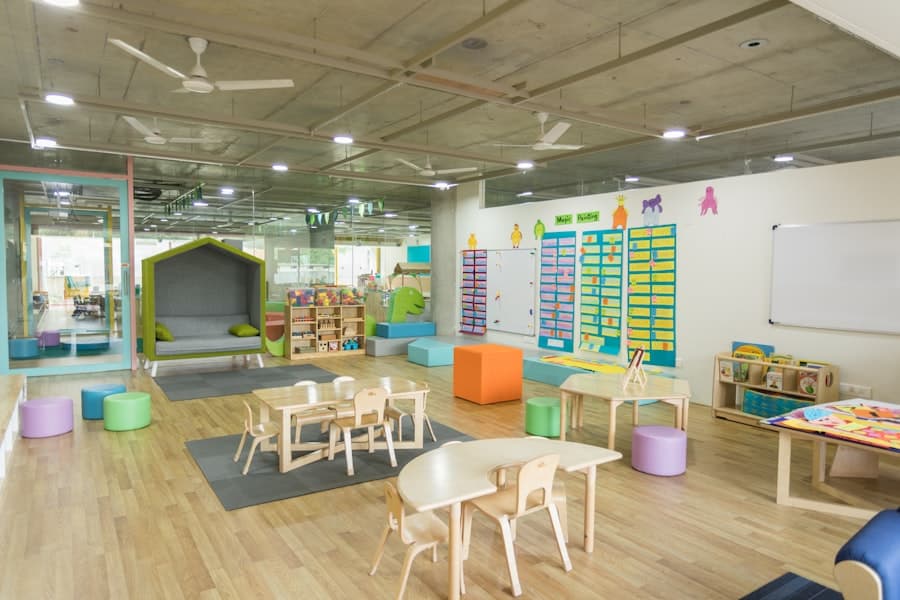
Tennessee offers a range of alternatives to traditional kindergarten programs, catering to diverse needs and preferences of families.
### Transitional Kindergarten
Designed for children who may benefit from an additional year of development before entering first grade, transitional kindergarten provides a nurturing environment where they can build essential skills at their own pace.
### Alternative Educational Options
Some families may opt for homeschooling or private preschool programs that align with their educational philosophies. These alternatives allow for personalized learning experiences tailored to your child’s unique strengths and interests.
### Choosing the Right Environment
As you explore these options, consider what environment will best support your child’s growth and development during this critical stage.
The Impact of Optional Kindergarten on Children and Families
The optional nature of kindergarten in Tennessee has significant implications for both children and families. For some families, the choice to enroll their child in kindergarten can be influenced by various factors such as financial considerations, work schedules, or cultural beliefs about education. This flexibility allows parents to make decisions that best suit their family’s circumstances.
However, this optional status can also lead to disparities in educational access. Children who do not attend kindergarten may miss out on crucial developmental opportunities that can affect their readiness for elementary school. As you reflect on this impact, consider how your decision regarding kindergarten enrollment may shape your child’s educational trajectory and overall well-being.
The Role of Kindergarten in Preparing Children for Elementary School
Kindergarten plays a pivotal role in preparing children for the transition to elementary school. As you watch your child engage with their peers and teachers, you’ll notice how they begin to develop essential skills that will serve them well in future grades. From learning how to follow directions to understanding classroom routines, these experiences are vital for fostering independence and confidence.
Moreover, kindergarten introduces children to more structured learning environments where they can practice critical thinking and problem-solving skills. This foundation not only enhances their academic abilities but also equips them with the tools necessary to navigate challenges throughout their educational journey. By recognizing the importance of this preparatory phase, you can better support your child’s transition into elementary school.
The Importance of Early Childhood Education in Tennessee
Early childhood education is increasingly recognized as a cornerstone of a child’s development in Tennessee. Research consistently shows that high-quality early education programs lead to improved academic outcomes and social skills later in life. As a parent, understanding the significance of early childhood education can empower you to advocate for your child’s needs and seek out enriching opportunities.
In Tennessee, initiatives aimed at enhancing early childhood education have gained momentum in recent years. Programs designed to support educators and provide resources for families are becoming more prevalent, reflecting a growing commitment to investing in young learners. By staying informed about these developments, you can play an active role in ensuring your child receives the best possible start in their educational journey.
Potential Changes to Kindergarten Requirements in Tennessee
As discussions surrounding education reform continue in Tennessee, potential changes to kindergarten requirements are on the horizon. Policymakers are increasingly recognizing the need for comprehensive approaches that address the diverse needs of families and children across the state. This may include revisiting age requirements or exploring options for expanded access to early childhood programs.
As a parent, staying engaged with these discussions can help you understand how potential changes may impact your child’s educational experience. By advocating for policies that prioritize quality early education, you can contribute to shaping a system that supports all children in reaching their full potential.
Resources and Support for Families Navigating Kindergarten Options in Tennessee
Navigating the landscape of kindergarten options in Tennessee can be overwhelming at times; however, numerous resources are available to support families like yours. Local school districts often provide information sessions and workshops designed to help parents understand enrollment processes and available programs. Additionally, community organizations may offer resources tailored to specific needs or concerns.
Online platforms also serve as valuable tools for connecting with other parents and accessing information about early childhood education initiatives in your area. By leveraging these resources, you can make informed decisions about your child’s educational path while building a supportive network within your community. In conclusion, understanding kindergarten in Tennessee is essential for ensuring your child receives a strong foundation for their future education.
By exploring its history, current regulations, benefits, and available alternatives, you can make informed choices that align with your family’s values and needs. Embracing this journey together will not only enrich your child’s learning experience but also strengthen your bond as they embark on this exciting new chapter of their lives.
Is Kindergarten Required in Tennessee? According to a related article on schoolingsonline.school, the debate over the necessity of kindergarten in Tennessee continues to be a topic of discussion among educators and parents. The article delves into the benefits of traditional schooling versus online learning platforms, as well as the option of homeschooling for high school and college preparation. It provides valuable insights into the various educational pathways available to families in Tennessee.
FAQs
Is kindergarten required in Tennessee?
Yes, in Tennessee, attendance in kindergarten is mandatory for children who are five years old on or before August 15th of the current school year.
What is the legal age for kindergarten in Tennessee?
In Tennessee, children must be five years old on or before August 15th of the current school year to be eligible for kindergarten.
Are there any exceptions to the kindergarten requirement in Tennessee?
There are limited exceptions to the kindergarten requirement in Tennessee, such as for children who are enrolled in an approved home school program or who have a documented medical condition that prevents attendance.
What are the consequences for not enrolling a child in kindergarten in Tennessee?
Failure to enroll a child in kindergarten in Tennessee may result in legal consequences for the parent or guardian, including potential fines or other penalties.
Is there a specific enrollment process for kindergarten in Tennessee?
Each school district in Tennessee may have its own enrollment process for kindergarten, so it is important for parents or guardians to contact their local school district for specific information on how to enroll a child in kindergarten.


