Are you a parent who wants to ensure a well-rounded education for your child? Do you wonder how you can introduce cultural diversity and global perspectives into their homeschooling experience? In an increasingly interconnected world, it is essential for children to understand and appreciate different cultures and perspectives. This article explores practical and engaging ways to incorporate cultural diversity and global awareness into your child’s homeschooling curriculum, providing them with a rich and vibrant educational experience.

Curriculum Selection
When it comes to homeschooling, one of the key aspects to consider is the curriculum selection. You have the opportunity to research diverse curricula options and choose materials that reflect different cultures and perspectives. By doing so, you can ensure that your child is exposed to a wide range of perspectives from around the world.
When selecting curriculum materials, look for textbooks and resources that include literature and stories from different cultures. This can allow your child to gain a broader understanding of the world and develop empathy and respect for other cultures. By incorporating literature from around the world, you can open their minds to new ideas and foster a love for reading and storytelling.
Language Learning
Introducing foreign languages into your homeschooling curriculum is an excellent way to expose your child to different cultures and broaden their horizons. There are numerous language learning resources available online that can help your child develop their language skills. These resources often provide interactive lessons, games, and activities that make learning a new language both fun and engaging.
In addition to language learning resources, encourage your child to communicate with native speakers. This can be done through online language exchange platforms or by connecting with language learning communities. By interacting with native speakers, your child can not only practice their language skills but also gain insights into the culture, customs, and traditions of different countries.
Virtual Cultural Experiences
While travel may not always be possible, you can still provide your child with virtual cultural experiences right from your homeschool classroom. Take advantage of virtual field trips that allow your child to explore different countries and learn about their history, art, architecture, and culture. Many museums and cultural institutions offer virtual tours and exhibitions, giving your child the chance to experience the wonders of the world without leaving home.
In addition to virtual field trips, connecting with homeschooling communities worldwide can give your child the opportunity to interact with students from different countries. This can be done through online forums, social media groups, or virtual meetups. By connecting with others who share a similar homeschooling experience, your child can learn about different cultures, exchange ideas, and develop global friendships.
Cultural Celebrations
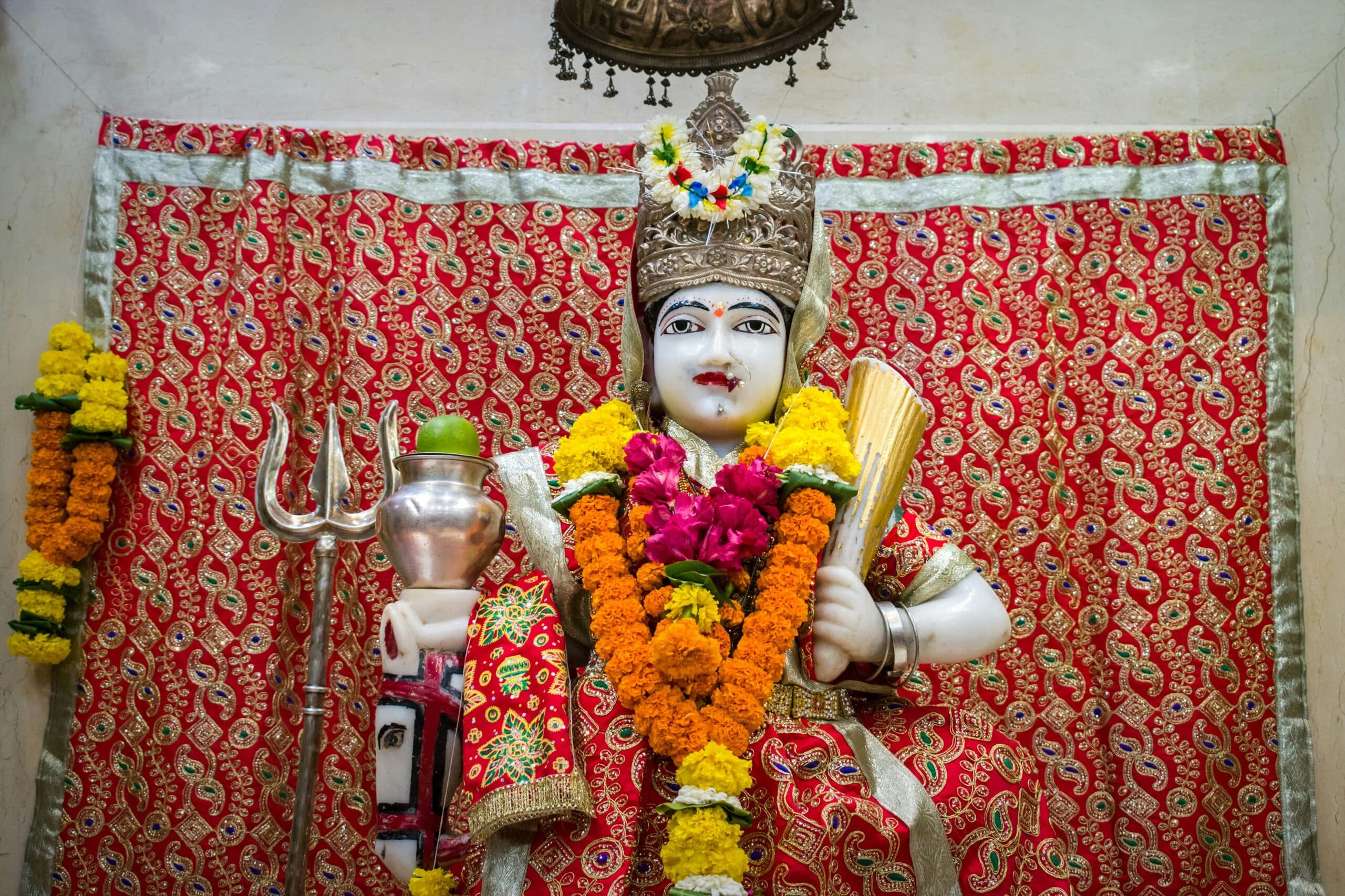
Incorporating holidays and celebrations from various cultures into your homeschooling experience can be a great way to introduce cultural diversity and global perspectives. Research and learn about different cultural festivals and traditions and find ways to celebrate them together as a family. This can involve trying traditional foods, learning about customs and rituals, and creating crafts or artwork inspired by different cultures.
By immersing yourself in these cultural celebrations, you not only expose your child to new traditions but also encourage respect and appreciation for diversity. It allows them to see the beauty and richness that different cultures bring to our world and fosters a sense of global citizenship.
Global Current Events
Keeping up with global news and current events is a crucial aspect of introducing cultural diversity and global perspectives into your homeschooling curriculum. Take the time to discuss these events with your child, exploring different perspectives and encouraging critical thinking and empathy. By analyzing different viewpoints on worldwide issues, your child can gain a broader understanding of the world and develop their own informed opinions.
You can use news articles, documentaries, and online resources to explore different global topics. Encourage your child to think critically about the issues at hand, consider multiple perspectives, and engage in meaningful discussions. This not only enhances their understanding of global perspectives but also develops their analytical skills and empathy towards others.
Pen Pals and Virtual Friends
Another excellent way to introduce cultural diversity is to connect your child with students from other countries through pen pals or virtual classroom collaborations. This can be done through online platforms specifically designed for connecting students from around the world. Your child can exchange letters or emails with their pen pals, learning about each other’s lives, cultures, and interests.
These connections can also extend to virtual classroom collaborations, where your child can work on projects with students from different countries. This collaborative learning experience allows your child to gain insights into different cultures, share their own knowledge, and develop global friendships. It can be a rewarding and enriching experience that broadens their perspectives and nurtures cultural diversity.

Traveling and Homeschooling
While travel may not always be feasible, planning educational trips to different countries can provide your child with invaluable cultural experiences. By immersing themselves in local culture and traditions, they can gain firsthand knowledge of different customs, languages, and ways of living. This can be a transformative experience that broadens their worldview and fosters a deep appreciation for diversity.
During these trips, encourage your child to document their experiences through writing and photography. This allows them to reflect on their experiences and share their insights with others. It can also serve as a keepsake and a reminder of the cultural diversity they have encountered throughout their homeschooling journey.
Cultural Cuisine
Food is an integral part of any culture, and exploring different cuisines can be a delicious way to introduce cultural diversity into your homeschooling experience. Encourage your child to try recipes from around the world, researching traditional cooking methods and ingredients. This not only expands their culinary skills but also provides a deeper understanding of the historical and cultural significance of dishes.
You can also dive into the stories behind traditional dishes, discussing the cultural practices and customs associated with them. This can be a wonderful opportunity to connect food with culture and explore the rich tapestry of global cuisine. Encourage your child to be adventurous in their culinary explorations, trying new flavors and embracing the diversity that different cuisines offer.
Multicultural Arts
Art is a universal language that transcends cultural boundaries, and exploring diverse art forms and styles can be a fantastic way to introduce cultural diversity into your homeschooling curriculum. Take the time to study famous artists from different cultures and explore their unique techniques and inspirations. It provides your child with an opportunity to appreciate the beauty of various art forms while gaining insights into different cultural perspectives.
Encourage your child to create their own art inspired by various traditions, using different techniques and materials. This can be a fun and creative way for them to express their understanding and appreciation of different cultures. By incorporating multicultural arts into your homeschooling experience, you foster creativity, cultural understanding, and an appreciation for the diverse artistic expressions found around the world.
Diversity in Literature
Reading books with diverse characters and authors is an essential aspect of introducing cultural diversity and global perspectives into your child’s homeschooling experience. Seek out books that celebrate diversity and cover a wide range of cultural experiences and perspectives. This allows your child to not only see themselves represented in literature but also gain insights into the lives of others.
After reading these books, encourage your child to discuss the themes of inclusion and representation. Ask thought-provoking questions to stimulate critical analysis and discussion. By engaging with diverse literature, your child develops a deeper understanding of different cultures, challenges stereotypes, and learns to appreciate the value of diverse voices.
As you embark on your homeschooling journey, remember the importance of cultural diversity and global perspectives. By incorporating these elements into your curriculum and classroom, you can provide your child with a well-rounded education that prepares them to embrace and thrive in our diverse world. Embrace the opportunity to connect with different cultures, celebrate their uniqueness, and foster a sense of global citizenship in your child’s homeschooling experience.