Have you ever wondered if there are creative ways to incorporate arts, music, and physical education into your homeschooling routine? Well, you’re in luck! In this article, we will explore some exciting and innovative methods that can bring these subjects to life within the comfort of your own home. So, if you’re looking for new ways to make your homeschooling experience more engaging and fun, keep reading to discover creative ways to integrate arts, music, and physical education into your daily routine. Get ready for an adventure that combines education with creativity and play!
Benefits of Integrating Arts, Music, and Physical Education
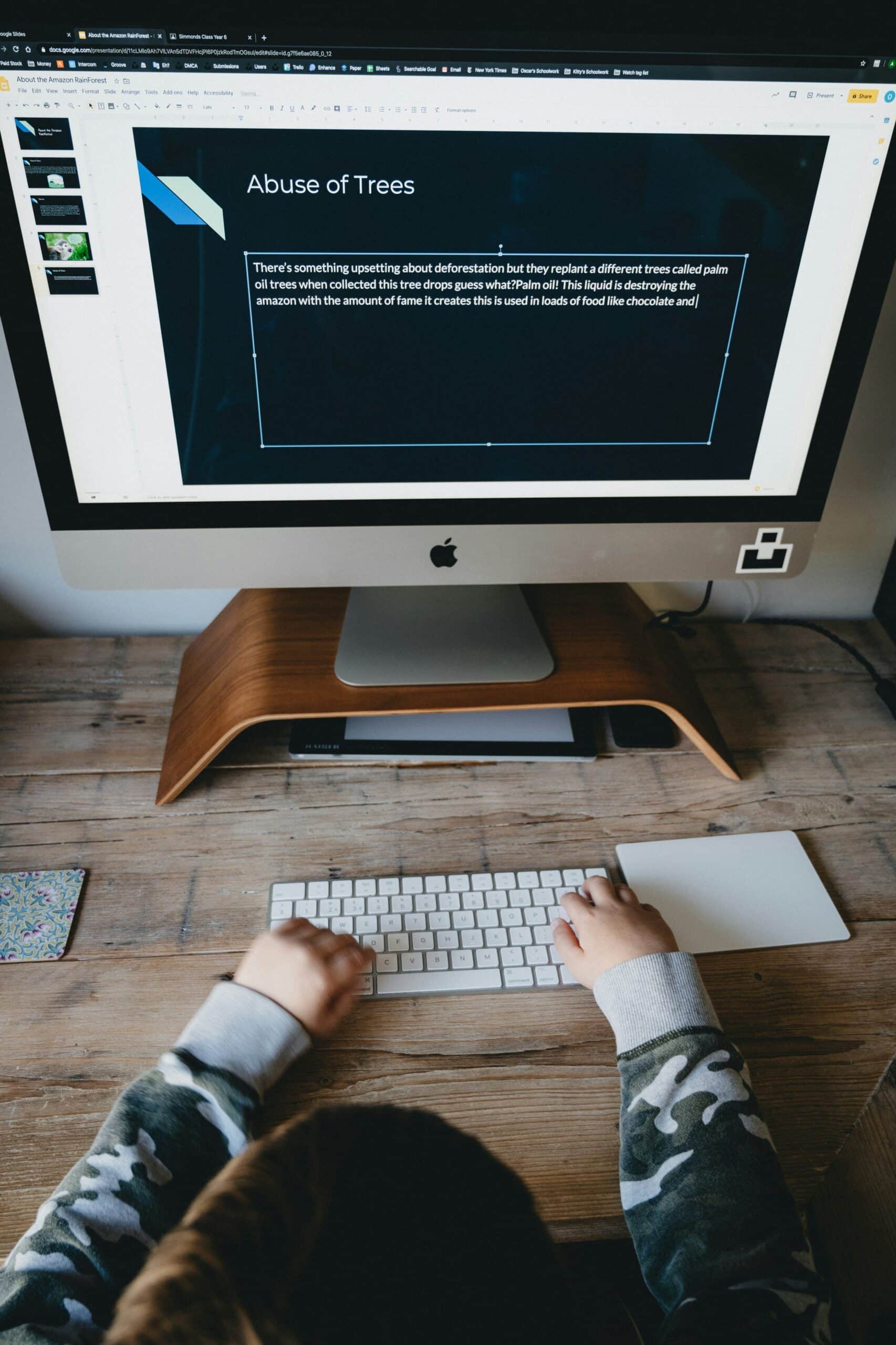
Integrating arts, music, and physical education into your homeschooling routine is a fantastic way to enhance your child’s education and overall development. By incorporating these subjects into your homeschool curriculum, you can provide your child with a well-rounded education that addresses their physical, creative, and cognitive needs.
Enhancing creativity and self-expression
One of the key benefits of integrating arts into your homeschooling routine is the enhancement of creativity and self-expression. Art activities such as painting, drawing, sculpting, and crafts allow children to explore their imagination and express their emotions in a visually creative manner. By providing opportunities for your child to engage in artistic endeavors, you are fostering their ability to think outside the box, problem-solve, and develop their unique sense of self-expression.
Developing physical fitness and coordination
Physical education plays a crucial role in your child’s overall development. By incorporating physical activities into your homeschooling routine, you can help your child develop their motor skills, improve their coordination, and enhance their overall physical fitness. Engaging in activities such as running, jumping, dancing, and playing sports not only promote physical well-being but also instill healthy habits that can benefit them throughout their lives.
Improving cognitive skills and academic performance
The integration of arts, music, and physical education into your homeschooling routine can have a positive impact on your child’s cognitive skills and academic performance. Studies have shown that engaging in art activities can improve critical thinking skills, problem-solving abilities, and academic achievement. Similarly, music education has been linked to improved memory, language development, and mathematical skills. Physical education not only benefits physical well-being but also enhances cognitive functions such as attention, memory, and academic performance.
Incorporating Arts into the Homeschooling Routine
Art education offers numerous benefits for children, including the development of creativity, problem-solving skills, and self-confidence. Here are some practical ways to incorporate arts into your homeschooling routine:
Creating a dedicated arts space
Designate a specific area in your home where your child can engage in artistic activities comfortably. Set up a table or a desk with art supplies such as paints, brushes, crayons, markers, and paper. By creating a dedicated arts space, you provide your child with a sense of ownership over their artistic endeavors and make it easily accessible for them to express their creativity whenever inspiration strikes.
Exploring various art forms
Expose your child to a variety of art forms to expand their artistic horizons. Encourage them to experiment with different mediums such as painting, drawing, collage, sculpture, and photography. Incorporate art history lessons to educate them about famous artists and their styles. By exploring various art forms, your child can discover their interests and develop a well-rounded perspective on artistic expression.
Integrating arts into other subjects
Create interdisciplinary projects that integrate arts with other subjects in your homeschooling curriculum. For example, encourage your child to create visual representations of historical events or characters, illustrate scientific concepts, or design book covers for literature assignments. By merging arts with other subjects, your child can deepen their understanding and make learning more engaging and memorable.
Integrating Music into the Homeschooling Routine
Music education provides numerous benefits, including enhancing cognitive abilities, fostering creativity, and promoting emotional well-being. Here’s how you can integrate music into your homeschooling routine:
Listening to music during learning activities
Incorporate music into your child’s daily learning activities. Play background music that complements the topic at hand, such as classical music during reading or instrumental music during math exercises. Music can help create a conducive learning environment by improving focus, concentration, and recall.
Learning to play a musical instrument
Encourage your child to learn to play a musical instrument. Whether it’s a piano, guitar, violin, or drums, learning to play an instrument provides a host of benefits, including improved hand-eye coordination, discipline, and self-expression. Consider online music lessons or local music schools for guidance and resources.
Singing and dancing to music
Engage your child in singing and dancing activities to further their musical education. Singing helps children develop language skills, pitch awareness, and confidence. Encourage them to learn and perform songs, participate in virtual choir groups, or even create their compositions. Combine music and movement by incorporating dance exercises or choreography into their daily routines.
Including Physical Education in the Homeschooling Routine
Physical education is vital for your child’s physical well-being, social development, and overall academic performance. Here’s how you can incorporate physical education into your homeschooling routine:
Designating time for physical activities
Allocate specific time slots in your homeschooling schedule for physical activities. This can include a morning workout routine, outdoor playtime, or structured physical education lessons. Regular physical activity not only improves fitness levels but also boosts mood, focus, and overall well-being.
Creating a home gym or exercise area
Set up a designated area in your home as a mini gym or exercise space. Equip it with exercise mats, resistance bands, small weights, and other age-appropriate exercise equipment. This way, your child can engage in a variety of exercises and workouts without leaving the house.
Incorporating games and sports into lessons
Incorporate games and sports into your homeschooling lessons to make physical education more enjoyable and engaging. Play games that focus on developing specific skills such as coordination, balance, or teamwork. Integrate sports-related lessons into subjects like math (keeping score), science (studying the physics of sports), or history (learning about the origins of different sports).
Combining Arts, Music, and Physical Education
Integrating arts, music, and physical education together can create a holistic and enriching homeschooling routine. Here are some ways to combine these subjects:
Organizing creative workshops and performances
Arrange workshops where your child can explore a combination of arts, music, and physical activities. Collaborate with other homeschooling families to create a mini-festival, where children can showcase their artistic talents, perform musical pieces, and engage in physical demonstrations. Encourage teamwork and collaboration to make the experience more rewarding.
Designing interdisciplinary projects
Design interdisciplinary projects that incorporate elements of arts, music, and physical education. For example, have your child create a visual art piece inspired by a musical composition or choreograph a dance routine to represent a historical event. By connecting these subjects, you allow your child to explore multiple areas of interest simultaneously.
Creating a holistic homeschooling routine
Develop a comprehensive homeschooling routine that includes dedicated time slots for arts, music, and physical education activities. Plan a schedule that strikes a balance between academic subjects and these creative, physical pursuits. By adopting a holistic approach, you ensure that your child receives a well-rounded education that nurtures their physical, cognitive, and creative development.
Leveraging Online Resources and Classes
With the advent of technology, there is an abundance of online resources and classes available to enhance your child’s arts, music, and physical education experiences. Here are a few ways to leverage these resources:
Virtual art classes and tutorials
Explore online platforms that offer virtual art classes and tutorials. These resources provide structured lessons, guidance, and techniques that your child can follow along with at their own pace. From drawing and painting to digital art and design, online art classes offer a wealth of opportunities to expand your child’s artistic skills.
Online music lessons and resources
Enroll your child in online music lessons or utilize websites and apps that offer interactive music lessons and resources. Virtual music classes provide opportunities for your child to learn instruments, music theory, and composition from qualified instructors. Additionally, online resources offer sheet music, tutorials, and interactive platforms for practicing and honing musical abilities.
Fitness and workout videos
Take advantage of the plethora of online fitness and workout videos available. There are numerous platforms offering a wide range of exercise routines, from yoga and Pilates to high-intensity interval training (HIIT) and dance workouts. Find age-appropriate videos that incorporate fun and engaging activities to keep your child motivated and excited about physical education.
Fostering Collaborative Learning Opportunities
Collaborative learning opportunities not only enhance your child’s social skills but also provide them with a chance to learn from and with others. Here’s how you can foster collaboration in arts, music, and physical education:
Engaging in group art projects
Encourage your child to collaborate with siblings or other homeschooled children in group art projects. These projects can range from creating a mural together, organizing a joint art exhibition, or even creating a virtual art gallery. By working together, children can learn from each other, exchange ideas, and develop teamwork skills.
Forming a family band or choir
Create a family band or choir where each member of the family plays an instrument or sings. Collaborate on selecting songs, arranging musical pieces, and performing together. This not only fosters a sense of togetherness but also nurtures a love for music and teamwork among family members.
Participating in team sports or dance
Organize sports or dance activities that involve multiple homeschooling families. Encourage your child to participate in team sports, such as soccer or basketball, or join dance classes that facilitate group choreography. By participating in these activities, your child can develop sportsmanship, coordination, and camaraderie with their peers.
Adapting to Different Learning Styles and Preferences
Children have different learning styles and preferences, and it’s important to accommodate these when integrating arts, music, and physical education into your homeschooling routine. Consider the following strategies:
Visual learners and artistic activities
For visual learners, emphasize artistic activities that involve visual representation, such as drawing, painting, or sculpting. Use visual aids, charts, and diagrams to reinforce concepts and ideas. Incorporate videos or documentaries related to arts, music, and physical education to enhance understanding.
Auditory learners and musical exercises
Auditory learners benefit from music and sound-based activities. Utilize music as a learning tool by incorporating songs, rhymes, or audio recordings into lessons. Consider reading aloud or using audiobooks to engage auditory learners. Allow them to listen to music while studying or completing assignments.
Kinesthetic learners and physical education
Kinesthetic learners thrive through hands-on experiences and physical movement. Incorporate physical activities, manipulatives, and tactile materials into lessons. Use movement-based games or exercises to reinforce concepts. Allow for frequent breaks and incorporate physical movement into study sessions.
Utilizing Technology for Enhanced Learning
Integrating technology into your homeschooling routine can enhance the learning experience in arts, music, and physical education. Here are a few ways you can utilize technology:
Digital art and design tools
Explore digital art and design tools that allow your child to create and manipulate visual art digitally. These tools provide a wide range of artistic mediums, effects, and editing capabilities. They also offer opportunities for collaboration and sharing artwork online.
Virtual musical instruments and composition apps
Virtual musical instruments and composition apps enable your child to learn and create music digitally. Your child can experiment with different instruments, compose and record their own pieces, and even collaborate with others virtually. These tools offer a user-friendly interface and simulations of real musical instruments.
Fitness-tracking devices and apps
Utilize fitness-tracking devices and apps to monitor your child’s physical activity and progress. These devices can provide insights into their steps, heart rate, calories burned, and sleep patterns. Fitness apps offer exercise routines, guided workouts, and gamified challenges to make physical activity more engaging and interactive.
Overcoming Challenges and Obstacles
Integrating arts, music, and physical education into your homeschooling routine may present some challenges. Here are a few common obstacles and strategies to overcome them:
Limited space and resources
If you have limited space or resources, look for creative solutions. Utilize multipurpose furniture, such as collapsible tables or storage ottomans, to maximize space. Opt for compact art supplies or digital tools that require less physical space. Utilize online resources, borrow materials from local libraries, or join homeschooling co-ops to access additional resources.
Time management and scheduling
Balancing multiple subjects and activities within your homeschooling routine requires effective time management. Create a schedule that allocates dedicated time slots for each subject, including arts, music, and physical education. Prioritize and set realistic goals for each activity. Involve your child in the planning process to ensure their input and cooperation.
Motivation and engagement
Maintaining motivation and engagement can be a challenge, especially with long-term homeschooling. Incorporate variety into your routine by introducing new art forms, music genres, or physical activities regularly. Set achievable goals and celebrate milestones to keep your child motivated. Allow for flexibility and adaptability in your approach to cater to your child’s interests and preferences.
By integrating arts, music, and physical education into your homeschooling routine, you provide your child with a well-rounded education that nurtures their creativity, physical well-being, and cognitive skills. Whether through dedicated arts spaces, online resources, or collaborative projects, embracing these subjects will enhance your child’s learning experience and promote holistic development. Embrace the creative possibilities and enjoy the journey of integrating arts, music, and physical education into your homeschooling routine.