Switching between homeschooling and traditional schooling can be an exciting yet challenging experience. Whether you’re transitioning from the comfort of your own home to a bustling classroom, or vice versa, there are potential hurdles that may arise. In this article, we will explore the difficulties one might face when making this educational shift and provide valuable insights to help ease the transition process. So, if you’re curious to know what obstacles lie ahead and how to overcome them, keep reading!
Academic Challenges
Different curriculum and teaching styles
One of the main challenges you may face when transitioning from homeschooling to traditional schooling, or vice versa, is adapting to a different curriculum and teaching style. Homeschooling often provides the flexibility to tailor the curriculum to your individual needs and learning style. However, in a traditional school setting, you will have to adjust to following a standardized curriculum designed for a larger group of students. This may require you to adapt to new subjects, teaching methods, and evaluation techniques.
Adjusting to a new pace of learning
Another academic challenge that you may encounter is adjusting to the pace of learning in a different educational setting. In homeschooling, you have the freedom to work at your own speed and focus on areas where you need more time and practice. However, in a traditional school, you will have to match the pace set by the teacher and keep up with the rest of the class. This can be particularly challenging if you are transitioning from homeschooling, where you had the opportunity to spend more time on certain subjects or concepts.
Different grading system
In addition to curriculum and pace, you might also face a challenge in adjusting to a different grading system. Homeschooling often allows for more flexibility in assessing your progress and understanding of the material. You may have been accustomed to receiving feedback and evaluations from your parents or tutors in a personalized manner. However, in a traditional school, you will be evaluated based on standardized grading systems, such as letter grades or percentages. This transition can require you to understand the new grading criteria and adjust your expectations accordingly.
Social Challenges
Building new friendships
Social challenges can arise when transitioning from homeschooling to traditional schooling or vice versa. When moving from homeschooling to a traditional school, you may find it challenging to build new friendships. In homeschooling, you may have had limited opportunities to interact with peers your age on a daily basis. Joining a traditional school means adapting to a larger social circle and finding ways to connect with your classmates. It may take time to develop new friendships and establish a sense of belonging in a new social environment.
Adapting to peer pressure
Another social challenge you may face is adapting to peer pressure. Homeschooling allows for a more controlled social environment, where you may have had less exposure to negative influences. In a traditional school, you may encounter peer pressure to conform to certain behaviors, beliefs, or social norms. It can be challenging to navigate these pressures and stay true to yourself. It is important to develop strong self-confidence and make choices that align with your values and goals.
Developing social skills
Transitioning between homeschooling and traditional schooling also involves developing and honing social skills. In homeschooling, interpersonal interactions may have been limited to family members, tutors, or small groups. Joining a traditional school requires adapting to a larger social setting, where you will interact with diverse individuals of different backgrounds and personalities. It may take time to learn how to navigate social dynamics, communicate effectively, resolve conflicts, and develop positive relationships with peers.
Emotional and Psychological Challenges
Coping with the new environment
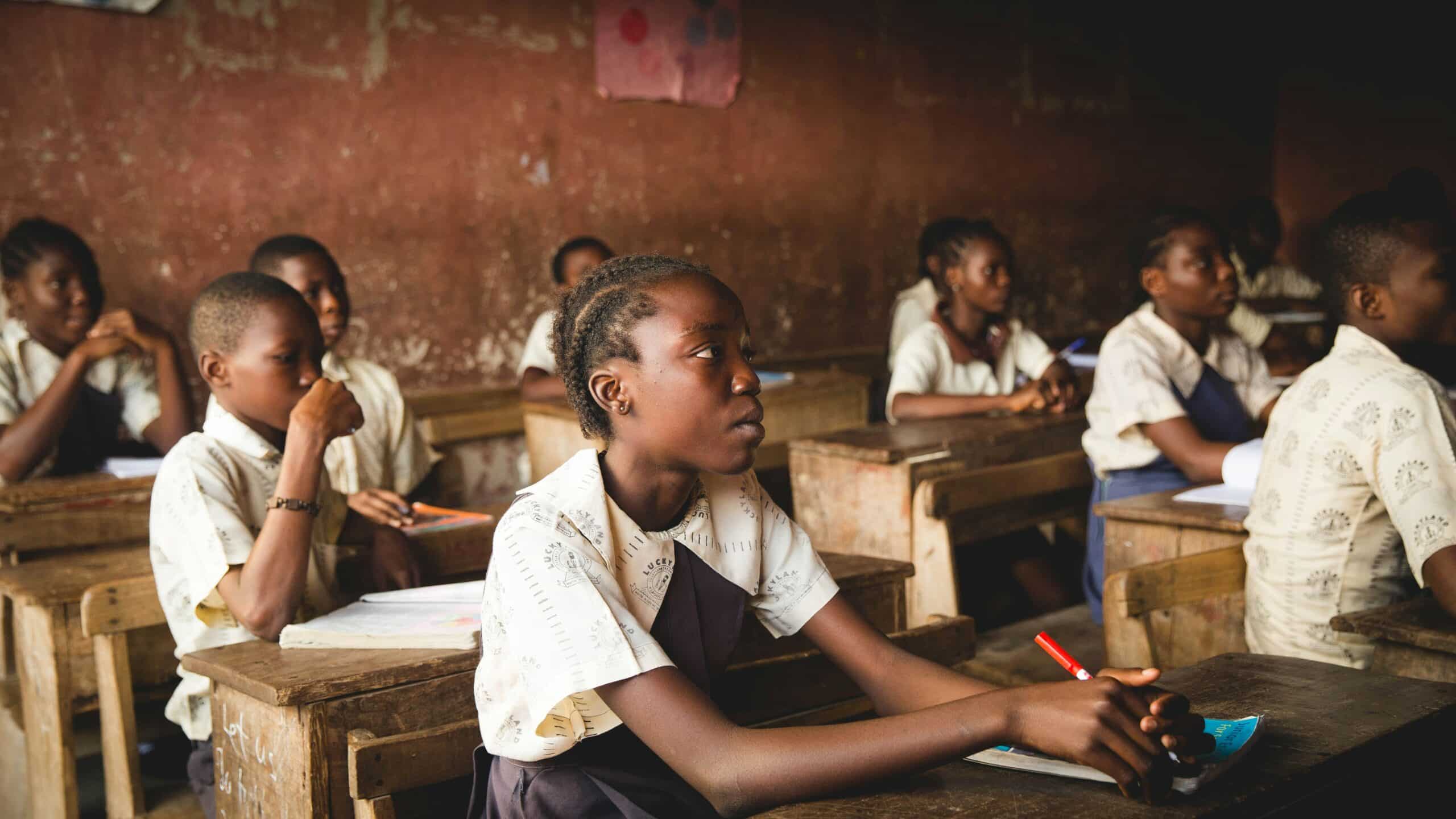
Moving from homeschooling to traditional schooling, or vice versa, can bring about emotional and psychological challenges related to coping with a new environment. In homeschooling, you may have been accustomed to a familiar and comfortable learning environment where you had control over your surroundings. Joining a traditional school means adapting to a new physical space, different classrooms, larger hallways, and potentially overwhelming social interactions. It may take time to adjust to this new environment and establish a sense of comfort and security.
Dealing with anxiety and stress
Another challenge you may face is dealing with anxiety and stress related to the transition. Adjusting to a new educational setting, meeting new people, and facing academic expectations can all contribute to heightened levels of anxiety and stress. You may feel nervous about fitting in, performing academically, or meeting new teacher’s expectations. It is important to identify healthy coping mechanisms and seek support from trusted adults or professionals to manage and alleviate these feelings.
Adjusting to authority figures
When transitioning between homeschooling and traditional schooling, it is common to encounter authority figures such as teachers and administrators in a more structured educational setting. For those coming from homeschooling, adapting to the authority of teachers and following their instructions and rules may be an adjustment. On the other hand, for those transitioning from traditional schooling to homeschooling, taking on more responsibility as your own authority figure can also be challenging. Adjusting to different dynamics and expectations between authority figures can require patience, respect, and effective communication.
Time Management Challenges
Adapting to a structured schedule
One of the time management challenges of transitioning from homeschooling to traditional schooling, or vice versa, is adjusting to a structured schedule. Homeschooling often allows flexibility in creating your own daily routine and setting your pace for completing assignments. In a traditional school setting, you will need to adhere to predetermined schedules for classes, breaks, and extracurricular activities. Adapting to a more rigid routine and managing your time efficiently to meet academic and social commitments can be initially overwhelming.
Balancing extracurricular activities
Transitioning between homeschooling and traditional schooling can also bring about challenges in balancing extracurricular activities. Homeschooling often provides more flexibility in pursuing interests, hobbies, and extracurricular activities. In a traditional school, you may have access to a wider range of extracurricular options and clubs. However, it may be challenging to manage your time effectively to participate in these activities while also prioritizing your academic responsibilities. Finding a balance between academics and extracurricular involvement can be a key time management challenge.
Managing homework and assignments
Another time management challenge that arises with the transition is managing homework and assignments. Homeschooling may involve a different approach to assignments and deadlines, with more personalized timelines. In a traditional school, you will have to adapt to the expectations of completing homework within specific time frames and meeting deadlines set by teachers. Learning effective time management skills, such as creating to-do lists, prioritizing tasks, and allocating dedicated study time, can help you stay organized and on top of your academic responsibilities.

Personalized Learning Challenges
Lack of individual attention
One of the challenges you may experience when transitioning from homeschooling to traditional schooling is a potential lack of individual attention. Homeschooling often provides a one-on-one environment, where parents or tutors can focus solely on your individual needs and provide personalized instruction. In a traditional school, teachers may have larger class sizes and limited time for individualized attention. Adjusting to a more independent learning style and seeking help when needed can help overcome this challenge.
Difficulty in adapting to standardized testing
Moving from homeschooling to traditional schooling may also present challenges in adapting to standardized testing. Homeschooling often allows for flexibility in evaluation methods, focusing on mastery of concepts rather than standardized tests. In a traditional school, you will likely encounter standardized exams, which require specific test-taking skills and strategies. Adapting to the format and expectations of standardized testing and understanding how to effectively prepare can initially be challenging.
Challenges in meeting specific educational needs
Transitioning between homeschooling and traditional schooling may also bring about challenges in meeting specific educational needs. Homeschooling often allows for customization of curriculum and teaching methods to address your learning strengths and weaknesses. Joining a traditional school may require you to adapt to a more generalized curriculum and teaching style that may not cater to your specific needs. Communicating with teachers or seeking additional support, such as tutoring or specialized programs, can help address these challenges and ensure your educational needs are met.
Parental Involvement Challenges
Transitioning from a primary educator to secondary role
For parents who have been the primary educators in homeschooling, transitioning to a secondary role in a traditional school setting can be a challenge. Letting go of the responsibility of directly instructing and guiding your child’s education can require trust in the educational system and confidence in the school’s ability to meet your child’s needs. Establishing open lines of communication with teachers and maintaining involvement in your child’s education through parent-teacher conferences and volunteer opportunities can help maintain a sense of involvement and support.
Understanding the traditional school system
Another parental involvement challenge is understanding the traditional school system. Homeschooling parents may be unfamiliar with the administrative processes, school policies, and expectations of a traditional school. Becoming knowledgeable about enrollment procedures, school events, parent-teacher communication channels, and other aspects of the traditional school system can ensure effective parent-school collaboration and support for your child’s educational journey.
Building effective communication with teachers
Transitioning from homeschooling to traditional schooling or vice versa involves building effective communication with teachers. In homeschooling, you may have had frequent and direct communication with your parents or tutors concerning your progress and educational needs. In a traditional school, effective communication with teachers becomes key in ensuring that your individual needs are met and addressing any challenges you may face. Building rapport with teachers, attending parent-teacher conferences, and maintaining open lines of communication can facilitate a positive learning environment and support your academic journey.

Accommodation Challenges
Adapting to a larger class size
Moving from homeschooling to a traditional school means adapting to a larger class size. Homeschooling often provides a more intimate educational setting with fewer students. Joining a traditional school may expose you to larger class sizes, requiring you to adapt to a more diverse group of classmates and potentially less individualized attention from teachers. Adapting to this change and finding ways to actively engage in classroom discussions and seek help when needed can help overcome this challenge.
Navigating classroom dynamics
Transitioning between homeschooling and traditional schooling also involves navigating classroom dynamics. In homeschooling, the classroom dynamic often revolves around your individual needs and learning goals. Joining a traditional school means adjusting to a classroom environment where different personalities, learning styles, and interests interact. Understanding and adapting to classroom dynamics, such as group work, discussions, and teacher-student interactions, can be an adjustment that requires active participation and effective communication.
Access to specialized resources or services
Another challenge that may arise in transitioning between homeschooling and traditional schooling is access to specialized resources or services. Homeschooling allows for personalized instruction and the ability to cater to specific needs with ease. In a traditional school setting, accessing specialized resources, such as tutoring, academic support services, or accommodations for learning differences, may require additional awareness and proactive communication with teachers or administrators. Identifying and utilizing available resources can help ensure your educational journey is tailored to your needs.
Regulatory Challenges
Meeting legal requirements for homeschooling
For families transitioning from traditional schooling to homeschooling, one regulatory challenge is meeting the legal requirements for homeschooling. Homeschooling is regulated differently in each state, with various requirements such as notifying the local school district, submitting educational plans, keeping records, or undergoing assessments. Understanding and complying with the legal obligations and requirements in your specific state is crucial when transitioning to homeschooling to ensure your child’s education remains within legal guidelines.
Understanding state regulations for enrolling in traditional schooling
On the other hand, families transitioning from homeschooling to traditional schooling may face challenges in understanding state regulations for enrolling in a traditional school. Each state has its own enrollment policies, residency requirements, and documentation needs. Familiarizing yourself with the specific regulations in your state and ensuring you have the necessary documentation and proof of academic progress can help facilitate a smooth transition and ensure compliance with state requirements.
Adaptation Challenges
Adjusting to a new daily routine
Transitioning between homeschooling and traditional schooling often involves adjusting to a new daily routine. Homeschooling allows for more flexibility in creating your schedule, whereas traditional schooling follows a fixed timetable. Adapting to waking up early, commuting to school, following class schedules, and managing breaks and extracurricular activities require adapting to a new rhythm and finding strategies to optimize your daily routine.
Navigating a different physical environment
Another adaptation challenge is navigating a different physical environment. Homeschooled students may primarily learn in a familiar and comfortable home environment. Joining a traditional school requires adjusting to new classrooms, school buildings, hallways, and other physical spaces. Navigating the school layout, being aware of facilities and resources available, and adapting to new surroundings can initially be overwhelming. Familiarizing yourself with the school’s layout and seeking support from teachers or classmates can help ease this transition.
Transitioning between different learning environments
Moving between homeschooling and traditional schooling involves transitioning between different learning environments. Homeschooling often provides a personalized and self-directed learning atmosphere, whereas traditional schooling involves learning in a structured classroom environment. Adapting to different learning environments, such as adjusting to a more structured schedule, peer interactions, and teacher-led instruction, can require flexibility and resilience. Recognizing the strengths and benefits of each learning environment and adapting to the different approaches can contribute to a successful transition.
Expectation Challenges
Managing academic expectations
Transitioning from homeschooling to traditional schooling or vice versa may bring about challenges in managing academic expectations. Homeschooling often allows for tailored instruction and learning at your own pace. In a traditional school, you will be exposed to a more standardized curriculum and may encounter higher academic expectations. Adjusting to these expectations and managing the pressure to perform academically can be a challenge. Setting realistic goals, seeking assistance when needed, and adopting effective study strategies can help manage and meet academic expectations.
Identifying personal goals and aspirations
Another expectation challenge is identifying personal goals and aspirations when transitioning between homeschooling and traditional schooling. Homeschooling often allows for more flexibility in pursuing individual interests, talents, or passions. Joining a traditional school may require reevaluating your goals and adapting to a broader range of opportunities. Identifying personal aspirations, exploring new interests or subjects, and taking advantage of the resources available in a traditional school setting can help shape and achieve your goals.
Coping with societal expectations
Transitioning from homeschooling to traditional schooling or vice versa may also involve coping with societal expectations. Homeschooling often provides a unique educational experience, which may be viewed differently by society. Joining a traditional school may expose you to societal expectations regarding academic achievements, social interactions, or extracurricular involvement. Coping with these expectations and staying true to your values, aspirations, and educational choices can require self-acceptance, resilience, and recognizing that each educational path has its own merits.