Homeschooling offers numerous benefits, allowing children to have a more flexible and tailored education experience. However, one common concern that parents often have is the socialization of their homeschooled children. The question arises: What socialization opportunities are available for homeschooled children to interact with their peers? In this article, we will explore various avenues and activities that can facilitate social interaction and ensure homeschooled children have ample opportunities to form meaningful connections with their peers.
Local Homeschool Co-ops
Cooperative Learning Classes
Local homeschool co-ops offer a variety of cooperative learning classes that allow homeschooled children to interact with their peers. These classes are designed to provide a collaborative learning environment where students can work together to explore different subjects and topics. From science experiments to group projects, these classes foster teamwork and social interaction among homeschoolers. Whether it’s a math class, a literature circle, or a hands-on art workshop, cooperative learning classes provide valuable opportunities for homeschooled children to learn and interact with their peers in a structured setting.
Field Trips
Another great way for homeschoolers to interact with their peers is through field trips organized by local homeschool co-ops. These field trips provide opportunities for homeschoolers to explore their community, visit museums, attend plays or concerts, and engage in hands-on learning experiences outside of the traditional classroom setting. Field trips not only offer educational benefits, but they also encourage socialization as children interact with one another while exploring new places and sharing their experiences.
Study Groups
Homeschool co-ops often organize study groups where students can come together to review and discuss their lessons. These study groups allow homeschooled children to collaborate, share ideas, and learn from one another. Whether it’s studying for a test, working on a challenging assignment, or simply reviewing concepts, study groups provide a supportive and interactive environment where children can connect with their peers and develop valuable study skills.
Sports Teams
Many homeschool co-ops have their own sports teams, allowing homeschooled children to participate in organized sports and compete with other students. These teams offer a range of sports such as soccer, basketball, volleyball, and more, giving homeschooled children the opportunity to develop their physical skills, learn teamwork, and engage in friendly competition. Being part of a sports team not only promotes physical fitness but also enables homeschooled children to form lasting friendships with their teammates.
Social Events
Homeschool co-ops often organize various social events where homeschoolers can come together and socialize in a relaxed and enjoyable setting. These events can include picnics, parties, talent shows, and holiday gatherings. By participating in these social events, homeschooled children have the chance to connect with their peers, make new friends, and build a sense of community within their homeschooling network. Social events provide a fun and inclusive environment for homeschooled children to interact and create lasting memories.
Community Organizations
Scouts and Guides
Scouting organizations like the Boy Scouts and Girl Scouts offer homeschooled children the opportunity to join troops and engage in a range of activities. From camping trips to community service projects, scouts and guides provide a structured and social environment where homeschooled children can interact with their peers, learn valuable skills, and develop a sense of camaraderie.
Youth Clubs
Community youth clubs offer homeschooled children a chance to participate in various activities and projects with their peers. These clubs may focus on a specific interest or hobby, such as photography, coding, or environmental conservation. By joining youth clubs, homeschooled children have the opportunity to socialize with like-minded peers, pursue shared interests, and develop new skills outside of their homeschooling curriculum.
Community Centers
Local community centers often host classes, workshops, and events designed for children and teenagers. Homeschooled children can take advantage of these offerings to interact with their peers while participating in activities such as art classes, music lessons, or sports programs. Community centers provide a vibrant and inclusive space for homeschooled children to engage in social and educational experiences alongside their peers.
Libraries
Libraries are not just spaces for reading and studying; they also offer various programs and events for children and teenagers. Homeschooled children can join library book clubs, attend storytelling sessions, or participate in educational workshops. These activities provide opportunities for socialization as homeschooled children interact with their peers who share a passion for reading and learning.
Religious Institutions
Religious institutions often offer youth groups, Sunday school classes, and other programs tailored for children and teenagers. Homeschooled children can participate in these activities and connect with other children in similar age groups who share their faith. These institutions provide a community-based environment where homeschooled children can interact with peers and cultivate their spiritual growth.

Online Communities and Resources
Virtual Co-ops
Virtual co-ops are online communities that bring together homeschooled children from different locations to participate in cooperative learning classes and activities via the internet. Through virtual co-ops, children have the opportunity to interact with classmates, discuss assignments, and collaborate on projects, all while learning in a supportive online environment.
Online Forums and Groups
Online forums and groups provide homeschooled children a platform to engage in discussions, ask questions, and share ideas with peers who may have similar interests or academic pursuits. These online communities offer a sense of connection and support, allowing homeschooled children to interact with others who understand their homeschooling experience.
Webinars and Workshops
Various online platforms offer webinars and workshops specifically designed for homeschooled children. These virtual events provide opportunities to learn from experts, acquire new skills, and connect with other homeschoolers through interactive sessions. Participating in webinars and workshops allows homeschooled children to engage in social interaction while expanding their knowledge and interests.
Online Tutoring
Online tutoring services offer homeschooled children access to experienced tutors who can provide academic support and guidance through virtual sessions. These one-on-one interactions allow homeschooled children to interact with a knowledgeable mentor, ask questions, and receive personalized instruction. Online tutoring not only offers educational benefits but also provides an opportunity for homeschooled children to connect with an adult outside of their immediate family network.
Social Media Platforms
Social media platforms, when used responsibly and with parental supervision, can provide homeschooled children with opportunities to interact with peers online. Joining homeschooling groups or specific interest-based communities on platforms like Facebook or Instagram allows homeschooled children to connect with others who share their hobbies and passions. These virtual interactions can offer support, friendship, and a sense of belonging.
Extra-Curricular Activities
Sports Teams
Apart from homeschool co-ops, homeschooled children can also join local community sports teams or leagues to engage in organized sports activities. These teams allow homeschooled children to participate in competitive sports, develop their athletic skills, and interact with teammates.
Arts and Music Classes
Local art studios, music schools, and community centers often offer classes and workshops in various artistic disciplines. Homeschooled children can enroll in these classes to explore their creative interests, learn new techniques, and socialize with peers who share a passion for art and music.
Dance, Theater, and Drama
Dance studios, theater groups, and drama clubs provide homeschooled children with the opportunity to express themselves creatively and engage in performing arts. By participating in these activities, homeschooled children not only enhance their artistic abilities but also collaborate with other performers and form friendships.
Chess and Gaming Clubs
Chess clubs or gaming clubs give homeschooled children the chance to gather and play strategic board games or video games with others who share their interest. These clubs provide a social and interactive environment where children can challenge themselves intellectually and engage in friendly competition.
Volunteer Opportunities
Volunteering at local organizations or participating in community service projects can be a rewarding way for homeschooled children to interact with peers while making a positive impact in their community. By working together on volunteer initiatives, homeschooled children can develop teamwork skills, learn about social responsibility, and establish connections with their peers based on shared values.

Local Public and Private Schools
Participating in Individual Classes
In some cases, homeschooling families may have the option to enroll their children in individual classes at local public or private schools. This arrangement allows homeschooled children to join their peers in specific subjects or electives while being homeschooled for the rest of their curriculum. Participating in individual classes enables homeschooled children to interact and collaborate with classmates during specific academic periods.
Joining Extracurricular Clubs and Groups
Homeschooled children may also have the opportunity to join extracurricular clubs and groups at local public or private schools. Whether it’s a debate team, a robotics club, or a student council, participating in these activities allows homeschooled children to engage in shared interests, develop leadership skills, and socialize with peers outside of formal classroom settings.
Attending School Events
Local public and private schools often organize events such as plays, concerts, science fairs, and sports competitions. Homeschooled children can attend these events, which are typically open to the public, and interact with their peers while enjoying the various activities and performances. Attending school events provides homeschooled children with the opportunity to experience the vibrant atmosphere of a school community and connect with classmates.
Utilizing School Facilities
Some local public and private schools may open their facilities, such as libraries, gymnasiums, or science labs, to homeschooled children for specific purposes. By utilizing these facilities, homeschooled children can engage in hands-on learning experiences and interact with classmates who are using the same resources.
Participating in School Sports
In some cases, homeschooled children may be allowed to participate in school sports teams or leagues. This arrangement enables homeschooled children to compete in athletic events, develop their physical abilities, and form relationships with teammates from the local public or private school community.
Tutoring and Mentoring Programs
Private Tutoring
Private tutoring services offer one-on-one academic support to homeschooled children. Working with a private tutor allows homeschooled children to interact with a knowledgeable mentor who can provide guidance, answer questions, and help them excel in their studies.
Peer Tutoring Groups
Homeschooling families can organize peer tutoring groups, where homeschooled children of similar grade levels or subjects come together to study and support one another. Peer tutoring groups offer homeschooled children the opportunity to interact with their peers, exchange knowledge, and learn from one another.
Mentoring Programs
Mentoring programs connect homeschooled children with adult mentors who offer guidance, support, and encouragement. Through regular interactions with a trusted mentor, homeschooled children can develop life skills, nurture personal growth, and build meaningful relationships outside of their immediate family circle.
Academic Competitions
Participating in academic competitions provides homeschooled children with the chance to collaborate with peers, engage in friendly competition, and showcase their academic talents. Whether it’s a spelling bee, a science fair, or a debate tournament, academic competitions encourage social interaction and the pursuit of excellence in various academic disciplines.
Summer Camps
Attending summer camps tailored for homeschooled children allows them to interact with peers in a unique and immersive environment. These camps offer a range of activities such as outdoor adventures, arts and crafts, sports, and academic workshops. By attending summer camps, homeschooled children have the opportunity to learn, have fun, and form lasting friendships with their fellow campers.

Community Service
Volunteering at Local Organizations
Volunteering at local nonprofit organizations or charities provides homeschooled children with opportunities to connect with peers while making a positive impact in their community. By working together on volunteer projects, homeschooled children develop empathy, learn valuable skills, and interact with other like-minded individuals.
Participating in Service Projects
Homeschooled children can actively participate in service projects organized by community groups or nonprofits. These projects may involve activities such as cleaning up parks, organizing food drives, or assisting the elderly. By joining service projects, homeschooled children engage in social interaction, develop a sense of civic responsibility, and build connections with their peers who share a passion for making a difference.
Fundraising Events
Participating in fundraising events organized by local charities or community organizations allows homeschooled children to collaborate with peers and contribute to a meaningful cause. Whether it’s a charity run, a bake sale, or a talent show, fundraising events provide socialization opportunities while instilling a sense of philanthropy in homeschooled children.
Charity Drives
Homeschooled children can actively participate in charity drives by collecting donations, organizing campaigns, or distributing resources to those in need. These drives provide homeschooled children with the chance to work as a team, interact with their peers, and contribute to the welfare of their community.
Environmental Initiatives
Engaging in environmental initiatives, such as planting trees, cleaning up local parks, or advocating for sustainable practices, allows homeschooled children to interact with peers who share an interest in environmental conservation. By participating in these initiatives, homeschooled children foster a sense of responsibility towards the environment and form connections with like-minded individuals.
Family Gatherings and Playdates
Siblings and Extended Family
Attending family gatherings and spending time with siblings and extended family members offers homeschooled children the opportunity to interact with peers within a familial context. These gatherings provide a relaxed and familiar environment where homeschooled children can socialize, build strong relationships, and learn from one another.
Friends and Neighbors
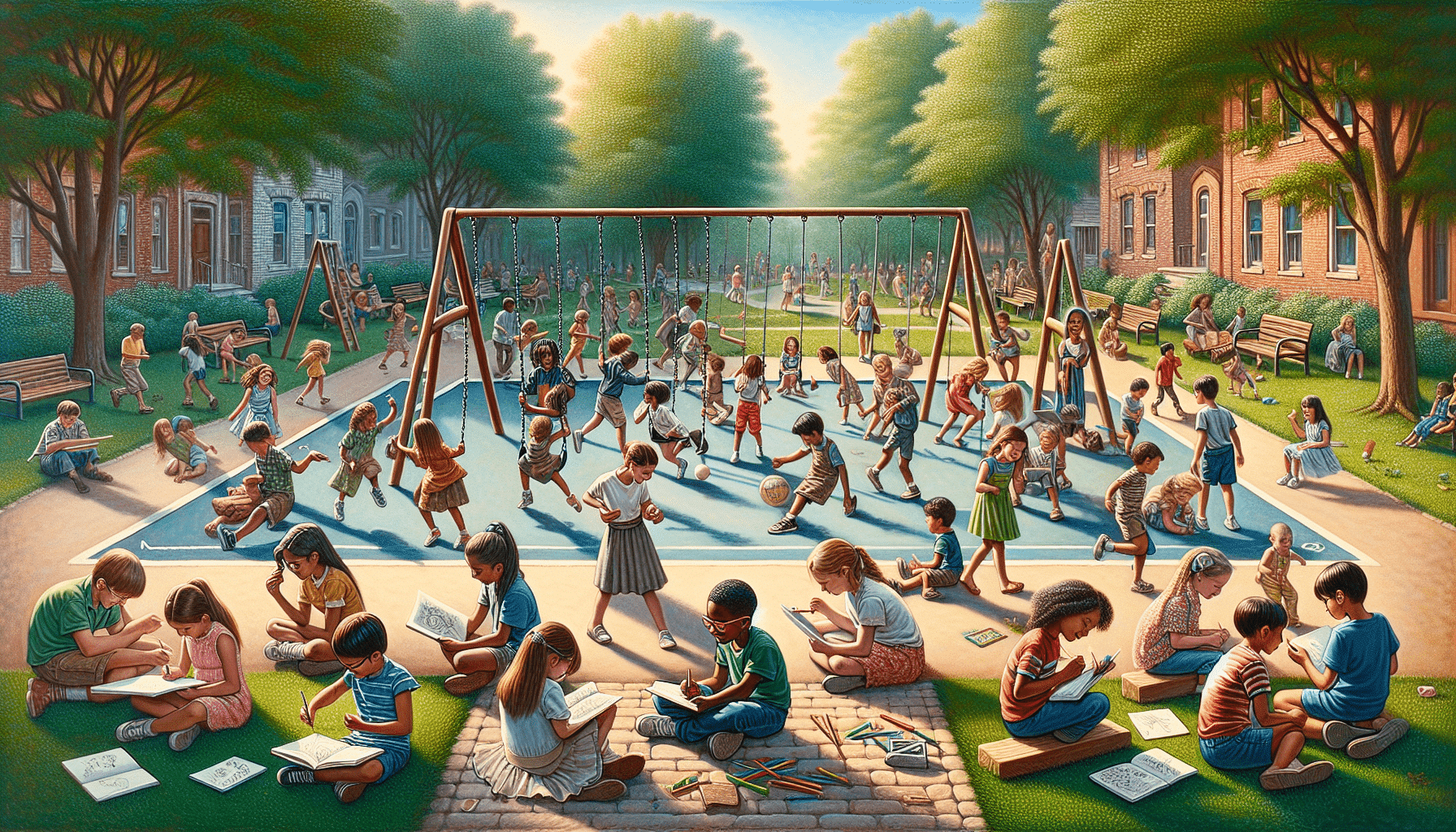
Organizing playdates with friends and neighbors allows homeschooled children to interact and play with peers of their own age. Playdates offer a chance for homeschooled children to engage in imaginative play, develop social skills, and cultivate lasting friendships with children outside of their homeschooling network.
Organizing Playdates
Homeschooling families can actively organize playdates or social gatherings for homeschooled children and their peers. By taking the initiative to arrange these events, families create opportunities for homeschooled children to interact, play, and learn together in a supportive and enriching environment.
Family Outings
Going on family outings, such as picnics, hikes, or museum visits, allows homeschooled children to interact with their siblings and parents while also encountering other families and children. These outings offer socialization opportunities and expose homeschooled children to diverse environments and experiences.
Celebrations and Parties
Celebrating special occasions, holidays, or birthdays with family friends and peers provides homeschooled children with the chance to engage in social interaction, have fun, and create lasting memories. Whether it’s attending a birthday party or participating in a holiday gathering, celebrations and parties foster a sense of belonging and community among homeschooled children.
Part-Time Employment and Internships
Part-Time Jobs
Once homeschooled children reach a certain age, they may consider seeking part-time employment opportunities. This could include jobs in retail, food service, or tutoring, among others. Part-time jobs not only provide homeschooled children with valuable work experience but also allow them to interact with coworkers and customers, fostering social skills and developing a sense of responsibility.
Internships and Apprenticeships
Homeschooled teenagers can explore internships or apprenticeships in their areas of interest to gain hands-on experience and learn from professionals. These opportunities provide a structured and social environment where homeschooled children can interact with mentors and peers, acquire new skills, and explore potential career paths.
Entrepreneurial Ventures
Some homeschooled children may choose to start their own small businesses or entrepreneurial ventures. By pursuing these endeavors, homeschooled children have the opportunity to engage with customers, collaborate with partners or suppliers, and interact with peers who share a passion for entrepreneurship.
Job Shadows
Homeschooled children can participate in job shadowing experiences, where they spend a day or a few hours shadowing professionals in fields they are interested in. Job shadows provide homeschooled children the chance to observe and interact with professionals, ask questions, and gain insights into various careers.
Career Expos
Attending career expos or fairs organized by local educational institutions, community organizations, or businesses offers homeschooled children the opportunity to explore different career fields and interact with professionals. Career expos provide homeschooled children with valuable networking opportunities and enable them to learn from experts in various industries.
Cultural and Hobby Clubs
Book Clubs
Homeschooled children can join local book clubs or start their own book clubs with peers who share a love for reading. Book clubs offer homeschooled children the chance to engage in intellectual discussions, share book recommendations, and develop strong friendships based on a shared love for literature.
Art, Photography, and Writing Groups
Local art studios, photography clubs, or writing groups provide homeschooled children with platforms to connect with peers who share a passion for these creative pursuits. By joining these clubs or groups, homeschooled children have the opportunity to engage in artistic collaborations, receive constructive feedback, and form meaningful relationships with like-minded individuals.
Science and Technology Clubs
Science and technology clubs, such as robotics clubs or coding groups, allow homeschooled children to explore their interests in STEM fields alongside their peers. These clubs provide interactive and hands-on activities, competitions, and projects that foster teamwork and social interaction among homeschooled children.
Music and Dance Ensembles
Homeschooled children who are interested in music or dance can join music ensembles or dance troupes in their local community. These groups provide homeschooled children with the opportunity to connect with peers who share their artistic interests, rehearse together, and showcase their talents through performances.
Language and Cultural Societies
Language and cultural societies allow homeschooled children to immerse themselves in different cultures, develop language skills, and engage in activities related to specific cultures or communities. By participating in these societies, homeschooled children have the opportunity to interact with peers who share an interest in language learning and cultural appreciation.