In Tennessee, you may be wondering how many days of school are required for students. Well, the answer to that question depends on various factors. The state law mandates a minimum of 180 instructional days for public schools, in order to ensure that students receive a sufficient education. However, it’s important to note that this requirement is just the bare minimum, and many schools in Tennessee often exceed this number, prioritizing the academic growth and success of their students. So, let’s explore the regulations surrounding the number of school days in Tennessee and how it impacts the education system in the state.

School Day Requirements in Tennessee
Welcome to the comprehensive guide to school day requirements in Tennessee! In this article, we will explore the state requirements governing school days, school calendars, minimum instructional hours, and other important factors that shape the educational experience for students in the state. So, whether you’re a student, parent, or educator, let’s dive right in and discover what a typical school day looks like in Tennessee!
State Requirements
Statutory Obligations
Tennessee has set forth statutory obligations to ensure that students receive a quality education. These obligations include attendance requirements, curriculum guidelines, and other provisions to promote student learning and success. These obligations are established by the state legislature to ensure consistency and uphold high standards in education.
Tennessee Compulsory Attendance Law
In Tennessee, all children between the ages of six and seventeen are required to attend school. The Tennessee Compulsory Attendance Law mandates that students attend school for a specified number of days and instructional hours each academic year. This law aims to ensure that students receive the foundational knowledge and skills necessary for their educational journey and future success.

School Calendar
School Year Duration
The school year in Tennessee typically spans for 180 days. This duration provides students with ample time to engage in classroom learning, extracurricular activities, and other educational opportunities. It also allows educators to cover the required curriculum and meet the educational needs of their students effectively.
Flexibility in Scheduling
While the standard school year in Tennessee consists of 180 days, there is some flexibility when it comes to scheduling. School districts have the ability to adjust the start and end dates of the school year, as long as they meet the required number of instructional days. This flexibility allows districts to accommodate local needs, such as weather patterns or community events.
Makeup Days
In the event of unforeseen circumstances that result in school closures, such as inclement weather or other emergencies, districts may need to schedule makeup days to ensure that students meet the required number of instructional days. These makeup days could be added at the end of the school year or incorporated into the regular school calendar. This ensures that students have the opportunity to fulfill their educational requirements.
Minimum Instructional Hours
Elementary School
Elementary school students in Tennessee are expected to receive a minimum of 6 hours and 15 minutes of instructional time each school day. This dedicated time allows teachers to cover core subjects, engage in hands-on activities, and facilitate a well-rounded learning experience. It also ensures that young learners have ample opportunities to develop essential academic and social skills.
Middle School
Middle school students in Tennessee are required to have a minimum of 6 hours and 20 minutes of instructional time per school day. This increased instructional time allows for deeper exploration of subject matter and enables students to develop critical thinking, problem-solving, and collaboration skills. Middle school serves as a crucial transition period for students as they prepare for the challenges of high school.
High School
For high school students in Tennessee, the minimum instructional time is 6 hours and 35 minutes per school day. This extended time reflects the increased complexity of high school curriculum and prepares students for higher education or the workforce. High school is a time of academic exploration, self-discovery, and personal growth, and the minimum instructional hours provide the necessary foundation for success.

School Day Length
Standard Day Length
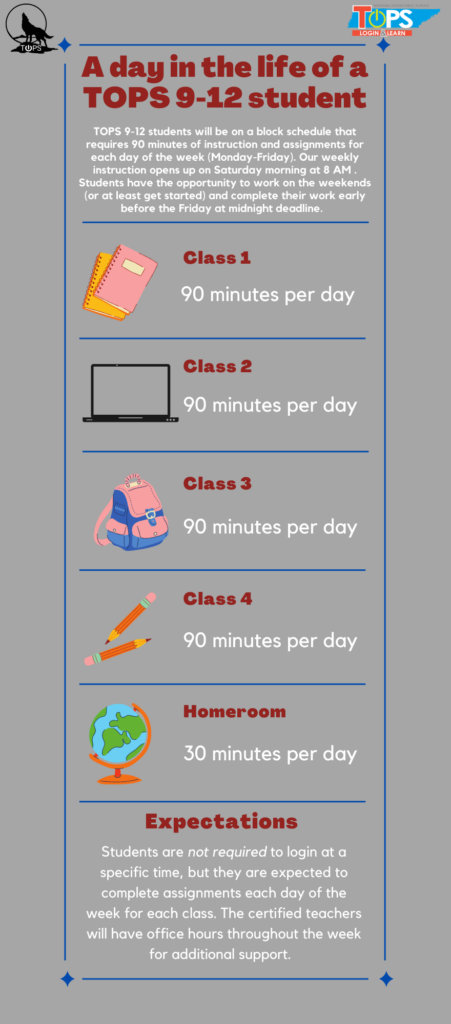
The standard length of a school day in Tennessee varies depending on the grade level. For elementary and middle school students, the typical school day runs from around 8:00 AM to 3:00 PM. High school students generally have a slightly longer day, starting around 7:30 AM and ending around 3:30 PM. These standard day lengths provide students with ample time for instruction, activities, and socializing with peers.
Half-Day Options
In some situations, schools may offer half-day options for specific grade levels or on certain days. This could be due to special events, teacher professional development, or other circumstances. Half-day options usually involve a condensed schedule, with students attending school for a reduced number of hours. These half-days allow for flexibility while still ensuring that students receive a meaningful educational experience.
Early Dismissal Days
Throughout the school year, there may be occasions when students are dismissed early. These early dismissal days can be designated for various reasons, such as parent-teacher conferences, staff meetings, or preparation for school-wide events. While the instructional time on early dismissal days may be shorter than usual, schools often make efforts to provide students with meaningful learning opportunities during the remaining time.
School Day Structure
Daily Schedule
A typical school day in Tennessee consists of a well-structured daily schedule that allows for a balanced mix of academic instruction, breaks, and other activities. The specific schedule may vary from school to school, but students can expect to engage in core subjects such as math, language arts, science, and social studies. Specialized courses like art, music, physical education, and foreign languages are often included to provide a well-rounded education.
Breaks and Lunch
To ensure students have adequate time for rest, rejuvenation, and socialization, schools in Tennessee typically incorporate breaks and lunch periods into the daily schedule. These breaks allow students to recharge and engage in activities outside the classroom. Lunch periods provide students with an opportunity to nourish their bodies and socialize with peers. The length of breaks and lunch periods may vary depending on the school and grade level.
Extracurricular Activities
Extracurricular activities play an important role in the overall school day experience for students in Tennessee. Schools often offer a wide range of extracurricular opportunities, including clubs, sports teams, music ensembles, theatre productions, and community service programs. These activities allow students to explore their passions, develop new skills, and cultivate a sense of belonging within the school community.

Influence of Testing
Impact on School Days
Standardized testing is an integral part of the educational landscape in Tennessee. These assessments provide valuable data to measure student progress, identify areas for improvement, and evaluate the effectiveness of educational programs. However, the administration of standardized tests does require students to set aside dedicated time for testing. As a result, the regular school day may be adjusted or shortened during testing periods to accommodate the assessments.
Standardized Testing Schedule
The specific standardized testing schedule in Tennessee may vary from year to year. However, schools are typically required to administer assessments such as the Tennessee Comprehensive Assessment Program (TCAP) and end-of-course exams. These tests assess students’ knowledge and skills in various subject areas, ensuring that Tennessee’s education system maintains high standards and prepares students for future academic and professional endeavors.
Holidays and Vacations
Standard Holiday Schedule
Schools in Tennessee observe various holidays throughout the academic year. These holidays align with national observances, such as Thanksgiving, Christmas, and Independence Day. Additionally, schools may also observe state-specific holidays and any other days designated by local school districts. These holidays provide students and educators with valuable breaks and opportunities to celebrate and spend time with friends and family.
Vacation Policies
Vacations play an essential role in the lives of students and their families. While families are encouraged to plan vacations during school breaks, schools in Tennessee recognize that extenuating circumstances may require students to miss school for vacation purposes. It is important to check with specific school districts regarding their policies on planned absences for vacations, as each district may have different guidelines and procedures in place.
Weather and Emergency Closures
Snow Days
As with many states, Tennessee experiences occasional inclement weather, particularly during the winter months. When severe weather conditions make travel unsafe or compromise the overall safety of students and staff, schools may close for the day. These closures, often referred to as “snow days,” ensure that students and staff remain safe during hazardous weather events.
Emergency Situations
In addition to weather-related closures, Tennessee schools have emergency protocols in place to address a range of unexpected situations. These protocols may include lockdown drills, evacuation procedures, and other safety measures to protect students and staff in the event of emergencies such as natural disasters, security threats, or other unforeseen circumstances. The safety and well-being of students and staff are of utmost importance in these situations.
School District Variations
Local Policies
While the state of Tennessee sets certain requirements and guidelines, school districts have some autonomy in establishing specific policies that align with their local educational needs. These local policies may include variations in school schedules, instructional programs, and extracurricular offerings. Therefore, it is important for students, parents, and educators to familiarize themselves with the policies specific to their respective school districts.
Variances Across Districts
Due to the diversity of communities and unique needs within Tennessee, there can be variations across school districts when it comes to school day requirements. Some districts may have slightly different instructional hour requirements, specific schedules, or other policies that differentiate them from neighboring districts. Understanding these variations is vital for students and families to ensure they meet the specific requirements in their district.
In conclusion, Tennessee’s school day requirements are designed to provide students with a quality education and prepare them for future success. By understanding the state requirements, school calendar, minimum instructional hours, and other important factors, students, parents, and educators can work together effectively to create a positive and conducive learning environment. Remember, education is a partnership, and by working together, we can ensure that every student in Tennessee has the opportunity to thrive and reach their full potential.