From Kindergarten to College: The Evolution of Online Schooling
Online schooling has come a long way from its inception, morphing into an essential and dynamic part of education today. For many of us, the journey through education starts in kindergarten and extends all the way to college. It’s fascinating to consider how technology has revolutionized this path for learners. In this article, we will delve into the evolution of online schooling, exploring its history, current trends, and potential future.
The Birth of Online Education: A Historical Perspective
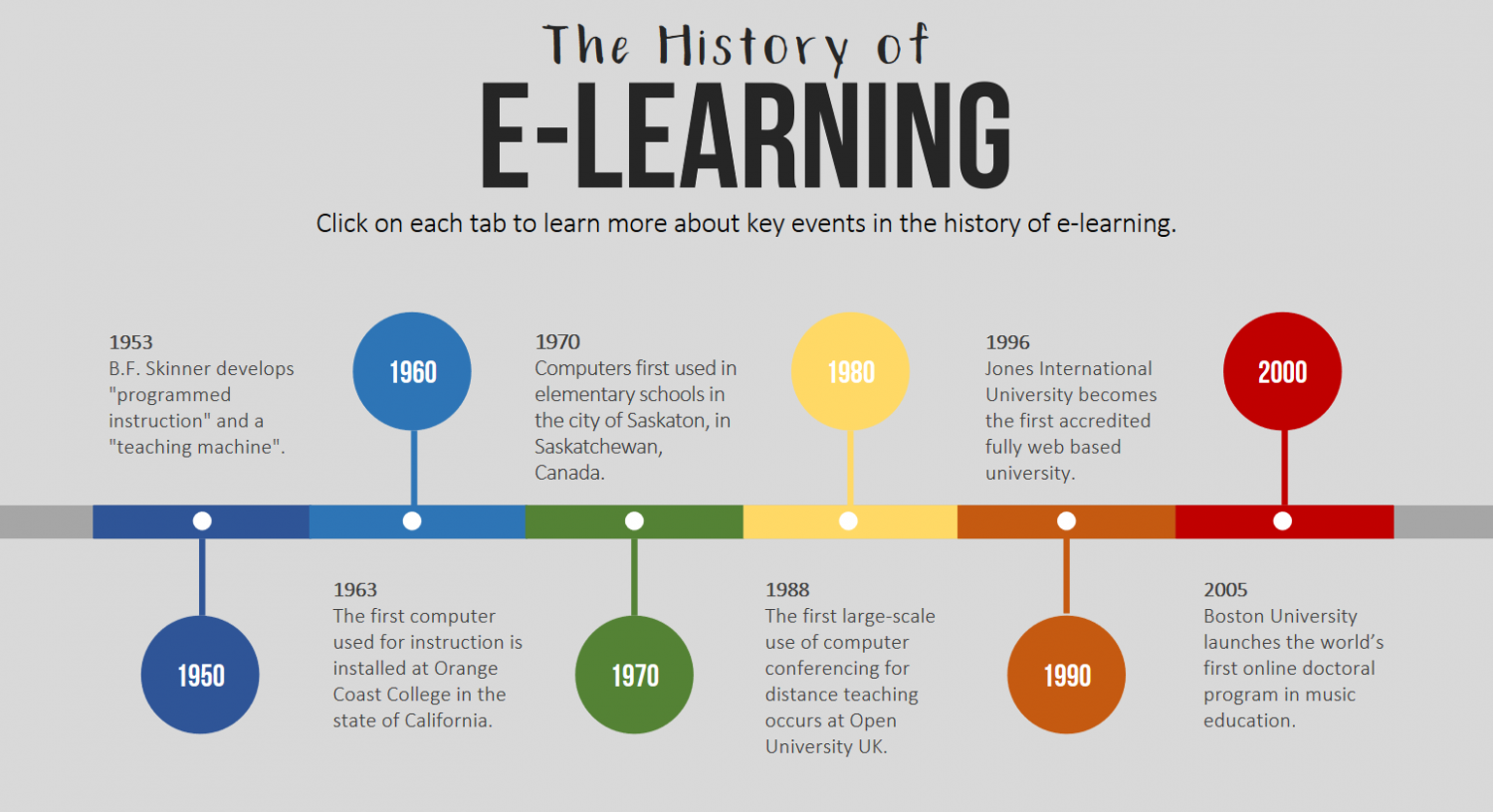
The initiation of online education can be traced back to the late 20th century. Over the years, the method of education has undergone a significant transformation, driven by technological advancements and societal needs. The advent of the internet in the 1990s marked a pivotal moment, as it made information and resources more accessible than ever before. When you think about it, this was the seed from which online schooling would sprout. Early initiatives, such as the establishment of distance learning programs, set the stage for what would eventually evolve into comprehensive online education systems.
Many traditional educational institutions began experimenting with digital learning. During these formative years, the concept of learning through correspondence with printed materials or some form of instruction via postal services slowly transitioned into virtual classrooms where you could interact in real-time. This marked the beginning of a powerful shift—an evolution that would change the landscape of education forever. You might find it interesting to note that even back then, educators and innovators recognized the potential of technology to bridge gaps in learning opportunities for students separated by geography.
Online Schooling in the 21st Century: Mainstream Acceptance
As we stepped into the 21st century, online schooling began to gain significant traction. The evolving technology landscape, particularly the rise of broadband internet, changed everything. Learning no longer required physically traveling to a classroom; instead, you could access quality education from the comfort of your home. This newfound accessibility was perfect for students facing various challenges, including health issues, geographical barriers, or family obligations.
The introduction of Learning Management Systems (LMS) standardized many aspects of online education, allowing schools to create and manage courses efficiently. With platforms like Blackboard and Moodle, educators could easily distribute resources, track student progress, and foster communication through discussion boards and chats. You could participate in lively discussions with classmates and interact with instructors in ways that would have been unthinkable in a traditional classroom setting.
For many students, especially those in rural areas or those seeking a more specialized education, online schooling opened up a world of possibilities. It introduced the concept of learning at your own pace, giving you the chance to revisit materials whenever needed—an empowering feature for every learner. Moreover, the appeal of non-traditional schedules suited many students who thrived better outside conventional classroom hours.
The Rise of the Digital-Native Student
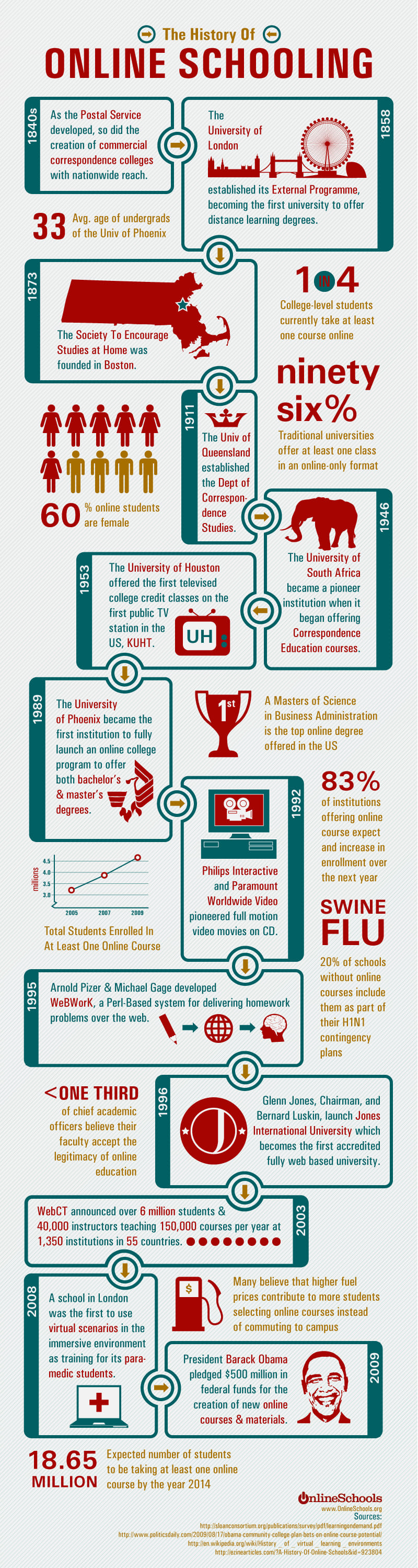
As you witness the rapid growth of online schooling, you might notice the emergence of an entirely new breed of students: the digital natives. These students have grown up surrounded by computers, smartphones, and various online platforms. Their innate familiarity with technology gives them a distinct advantage when navigating online education. You might even find yourself feeling a bit envious of their ability to seamlessly integrate online resources into their everyday lives.
In tandem with the digital growth, there has been an evolution in pedagogical approaches. Schools began adopting blended learning models, where traditional teaching methods complemented online resources. This hybrid approach fostered a diverse learning environment, catering to different learning styles and preferences. The importance of soft skills—such as adaptability, self-discipline, and collaboration—became increasingly evident. You’re not just expected to interact with content but also engage with peers and educators in a meaningful manner. As the lines between learning environments blur, it emphasizes the importance of developing these essential skills.
Overcoming Challenges: The Roadblocks on the Path to Online Learning
While the evolution of online schooling has brought about tremendous opportunities, it hasn’t been without challenges. You’ve likely encountered some of these hurdles, whether as a student, parent, or educator. Issues like the digital divide—disparities in access to technology and high-speed internet—have posed significant roadblocks to equitable online education. For some families, the struggle to secure the necessary resources to support their child’s online learning is an ongoing battle. This disparity highlights the urgent need for policymakers and educators to ensure all students can equally access educational opportunities.
Moreover, online schooling requires a high degree of self-motivation and time management skills. For many students, especially younger learners, the absence of a structured environment can lead to disengagement. The challenge lies in encouraging active participation, ensuring that you stay committed to your studies. Educational institutions have increasingly recognized the importance of fostering a strong support system. Online tutoring and mentorship programs, designed to provide guidance and accountability, have emerged as essential components of successful online learning experiences.

The Role of Parents in Online Education
As a parent, navigating the complexities of online education can feel overwhelming. You worry about your child’s academic progress, social interaction, and overall well-being. Often, you find yourself wearing multiple hats—part-time teacher, tutor, and cheerleader—all while trying to manage your responsibilities. This multifaceted role emphasizes the importance of communication between schools and families.
Establishing a strong partnership between parents and educators is fundamental for student success. Many schools have initiated regular check-ins, ensuring that you can keep track of your child’s progress and address any challenges they may face. Open lines of communication foster an environment where you can comfortably voice concerns and suggestions. Remember, you play a vital role in shaping your child’s educational experience—your ongoing support can significantly impact their motivation and success.
The Impact of Global Events: A Shift in Perspective
The COVID-19 pandemic has undoubtedly acted as a catalyst, propelling online education into the spotlight. As schools scrambled to adapt, you witnessed a rapid transition to virtual learning environments. For many students, the sudden shift was a monumental change. Overnight, classrooms transformed into Zoom meetings, and paper assignments became digital submissions. While this transition was jarring for some, it also showcased the resilience of educators, students, and families alike.
Throughout this challenging time, innovations emerged. Schools developed creative solutions, such as virtual field trips and interactive online projects, to keep students engaged. You might have found new ways to connect with peers, collaborating on group assignments using various tools. The necessity of online education during the pandemic forced all stakeholders to rethink their approach, accelerating the acceptance of this mode of schooling.
However, it’s also essential to acknowledge the mental health toll the pandemic has taken on students. The isolation from peers and the lack of structured daily routines led many to feel stressed and disconnected. You may have had to find ways to strike a balance, encouraging socialization through virtual hangouts or supplementary activities. Educational institutions are now prioritizing mental health resources, realizing that students’ emotional well-being plays a crucial role in their overall success.

The Future of Online Schooling: Trends to Watch
As online education continues to grow, it promises to take on new forms. The integration of Artificial Intelligence (AI) and machine learning into online platforms will personalize learning experiences for students like you. Imagine getting tailored resources and recommendations based on your learning style, challenges, and interests. This kind of technology has the potential to empower you in ways that traditional approaches have struggled to achieve.
Moreover, we can expect a rise in globally dispersed classrooms. Online schooling enables students from diverse backgrounds to collaborate on projects, bringing varied perspectives to the table. This holistic experience will enhance critical thinking and foster cultural awareness, skills that you’ll undoubtedly find valuable in an increasingly interconnected world.
Reimagining the Role of Educators
As you explore the evolution of online schooling, you might wonder about the role of educators in this new landscape. The teacher’s role has been redefined, shifting from traditional information deliverers to facilitators of knowledge. This transition requires them to adapt their teaching methods to foster an engaging online environment. In many cases, teachers are harnessing new technologies to encourage interactions, creativity, and collaboration.
Furthermore, professional development has become essential for educators as they grapple with evolving tools and platforms. Ongoing training helps them stay informed and equipped to meet the needs of diverse learners. You may find that effective educators embrace flexible teaching strategies that accommodate various learning styles, ensuring you have the support required to excel.

Learning Beyond the Classroom: Extracurricular Opportunities
With the internet at your fingertips, the accessibility of extracurricular activities has expanded. The world is becoming your oyster, as online clubs, competitions, and workshops foster your passions beyond the traditional classroom setting. Whether you’re interested in coding, music, or art, there’s likely a plethora of online avenues for exploration. This wasn’t always the case—limited availability of programs often constrained students’ opportunities.
Engaging in these activities not only enriches your education but also helps develop social skills and leadership qualities. Online group projects and community initiatives can enhance your capabilities and introduce networking opportunities. The lessons learned from participating in extracurricular activities translate into valuable practical experiences, complementing your academic journey.
The Importance of Lifelong Learning
As you navigate through your own educational journey, remember that the evolution of online education paves the way for a culture of lifelong learning. Embracing personalized learning and adapting to new technologies fosters a mindset that’s critical in our rapidly changing world. Education now extends beyond the classroom; it’s a continuous process that encourages growth and exploration throughout life.
In this context, online schooling has empowered you to take charge of your education. Whether it’s pursuing certifications, enrolling in courses on platforms like Coursera or edX, or engaging in self-guided learning, the resources available today are limitless. In a world that demands adaptability and innovation, lifelong learning remains a fundamental key to staying relevant and fulfilled.
Conclusion: Embracing the Journey
The evolution of online schooling offers a wealth of opportunities and challenges, reshaping the educational landscape as we know it. From its humble beginnings to its expansion in modern times, this journey has united students, families, and educators under a shared goal: to facilitate engaging and meaningful learning experiences. As you embark on your own unique path, remember that the skills and knowledge you acquire today will serve as valuable building blocks for your future.
In celebrating the evolution of online schooling, it’s essential to recognize the tools and resources that have become part of your educational toolkit. Embrace these changes with an open mind, and you’ll find yourself well-equipped to navigate the complexities of education in the 21st century and beyond.
If you enjoyed this article or found it useful, please clap for it, leave a comment, and subscribe to my Medium newsletter for updates. I’d love to hear your thoughts on the evolution of online schooling!