How To Create The Ideal Learning Environment For Online School
Online education has blossomed in recent years, presenting an exciting opportunity for both students and educators alike. However, creating the ideal learning environment for your online schooling experience requires more than just setting up a laptop in a corner of the room. It demands a thoughtful approach to your physical space, emotional wellbeing, and the learning tools you choose to engage with. This article aims to walk you through various elements that contribute to an optimal online learning environment.

Understanding Your Learning Style
Discovering How You Learn Best
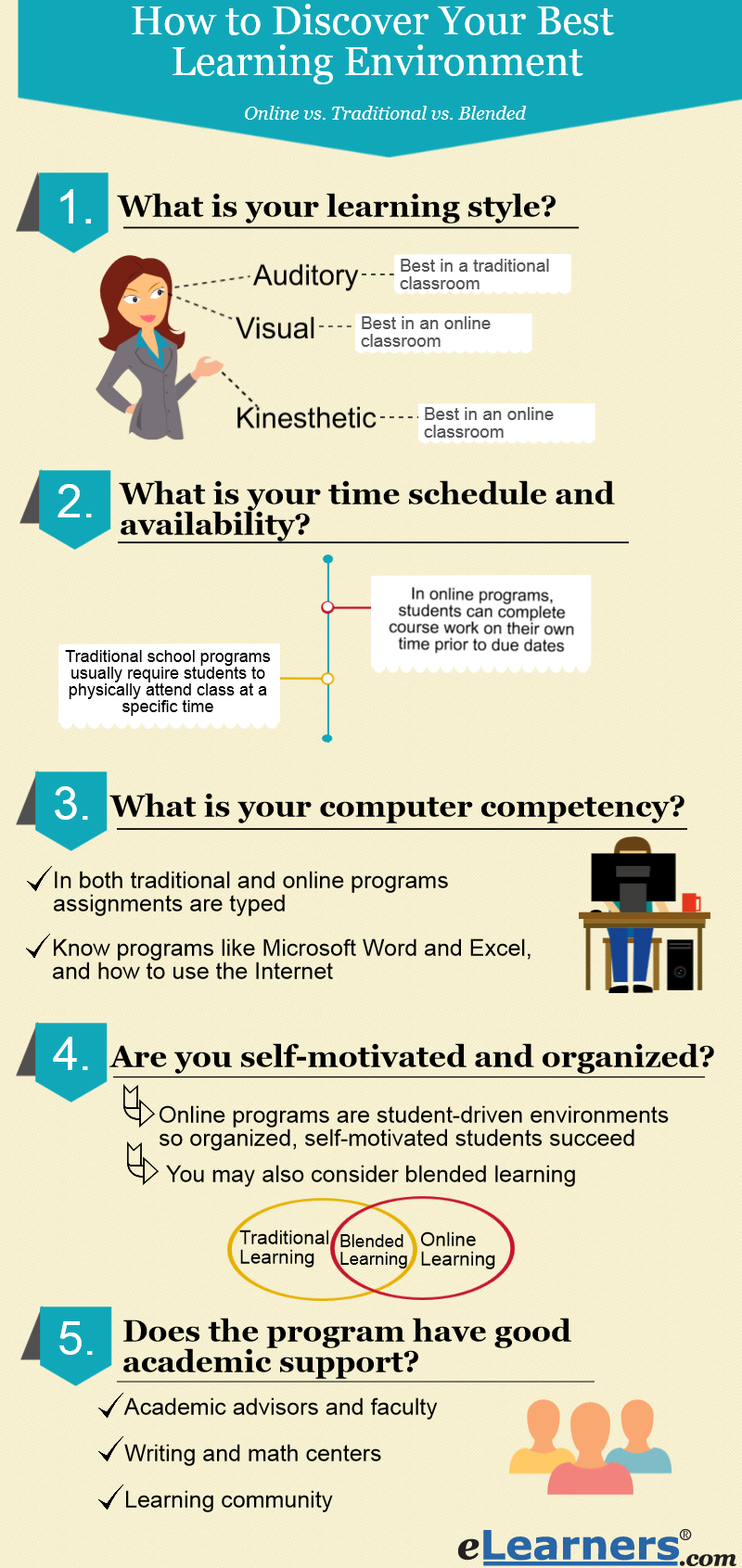
Before diving into the logistics of setting up your online learning environment, it’s crucial to take a moment to understand your unique learning style. Do you prefer visual aids, like videos and infographics, or are you more of an auditory learner, thriving on lectures and discussions? Maybe you absorb information best through a hands-on approach. Recognizing how you learn will guide you in tailoring your environment and your study strategies accordingly.
It’s okay to experiment—try different methods, mix things up, and gauge what resonates most. Once you identify your preferred learning style, you can better curate your resources and tools to facilitate a more productive online education experience.
Choosing the Right Space
Setting Up Your Physical Learning Environment
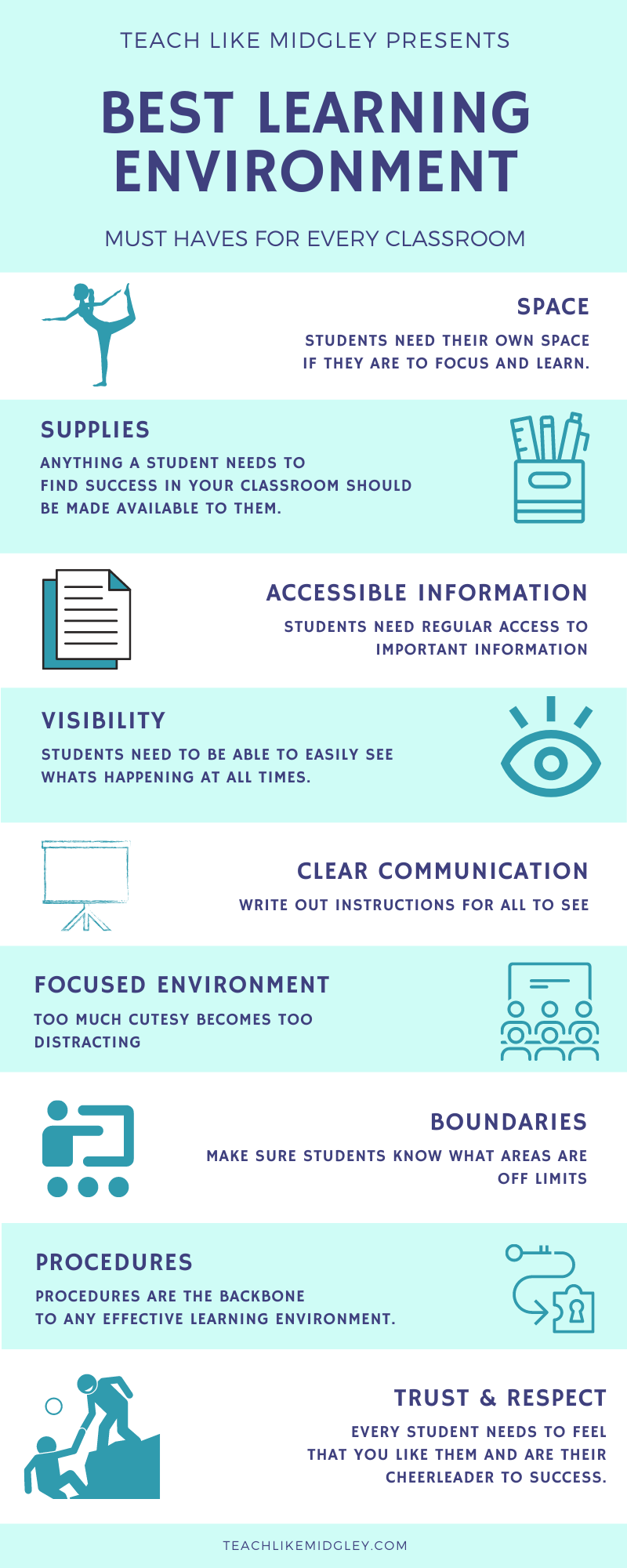
The physical space you choose for online learning plays a significant role in your educational experience. Ideally, you want a dedicated area that promotes focus and minimizes distractions. Consider a quiet room or a corner in your home that you can claim as your own study space. This separation from your relaxation spaces helps you mentally switch gears from leisure to learning.
Make sure your space is well-lit and organized. A clutter-free desk with essential supplies on hand can make a world of difference in how you approach your studies. Adding personal touches, such as motivational quotes or plants, can create a welcoming atmosphere that enhances your mood.
Ergonomics Matter
Prioritizing Comfort and Health
Your physical comfort while studying shouldn’t be overlooked. Spend time choosing a suitable chair that offers good back support and a desk at the appropriate height. Consider investing in ergonomically-designed equipment, if possible, to ensure you maintain healthy posture during long study sessions.
Also, think about the technology you use, including your computer, screen distance, and keyboard setup. All these factors influence not only your comfort but also your ability to focus and engage with your course materials. Regular breaks to stretch and walk around will help combat any fatigue or discomfort.
Establishing a Routine
Creating Structure in Your Day
One of the blessings of online learning is the flexibility it offers, but with flexibility comes the need for discipline. Establishing a consistent daily routine can keep you on track and ensure that you dedicate adequate time to your studies. Have a set schedule that includes specific times for learning, breaks, and even leisure activities.
Stick to your routine as closely as possible, as consistency fosters better habits. You might find it helpful to communicate your schedule to family or roommates so they understand your dedicated learning times and can help you minimize distractions. Remember, you are crafting a balance that works best for your personal and educational life.
Minimizing Distractions
Creating a Focus-Friendly Environment
Once you have your physical space set up and your routine established, it’s time to address distractions. Life is full of temptations, especially when your classroom is just a few steps from your living room or kitchen. You may want to consider limits on certain distractions during your study periods.
That means turning off notifications on your phone or using apps that block social media during study time. It could also involve letting family members know when you need uninterrupted time. By intentionally designing your environment to reduce interruptions, you’ll find it easier to dive into your online lessons.
Utilizing Technology Effectively
Embracing Digital Tools for Learning
Your online learning experience will hinge significantly on the technology you choose to engage with. Familiarize yourself with the platform your school utilizes—whether it’s Zoom, Google Classroom, or something else. Understanding the features available can enhance your interaction and collaboration with classmates and teachers.
Beyond just the learning platform, explore various educational tools designed to aid with note-taking, organization, and study techniques. Apps like Notion or Evernote for note-taking, and Quizlet or Anki for memorization, can streamline your learning and improve retention. Embracing technology effectively allows you to stay engaged and geared up for success.
Building a Support Network
Connecting With Peers and Educators
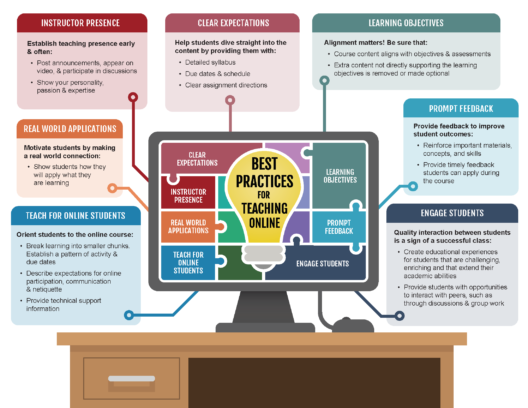
Although online learning often has a solitary aspect, it doesn’t have to mean you’re alone. Building a support network can significantly enhance your educational experience. This could be fellow classmates, educators, or mentors who understand the challenges of online school.
Make a point to reach out to your peers for group study sessions, whether in person (if possible) or virtually. Threading into online communities related to your field of study can also provide invaluable assistance and networking opportunities. Remember, you can learn a lot from engagement with others—you’re all on a similar journey.
Healthy Study Habits
Prioritizing Your Mental and Physical Wellbeing
While academics are important, neglecting your mental and physical health can undermine your overall success—so prioritize wellness. Pay attention to your sleep schedule, ensuring you get enough rest before tackling your studies. Staying active through exercise can significantly benefit your focus and mood, helping you tackle your coursework more effectively.
Set aside time for breaks that refresh your mind and spirit. Whether it’s a short walk, meditative breathing, or even just a moment of stretching, these small practices can help you maintain a balanced perspective and prevent burnout as you navigate your online studies.

Time Management Skills
Mastering Your Schedule
With online learning, mastering time management can separate those who excel from those who struggle. Learn how to prioritize your coursework effectively. Create a to-do list or use a planner to visualize your tasks, deadlines, and goals.
Breaking larger projects into manageable segments can alleviate overwhelm and provide a clear path forward. Consider the Pomodoro Technique, where you study intensely for 25 minutes, then take five-minute breaks. This technique can enhance productivity while keeping your mind sharp and engaged.
Making the Most of Resources
Leveraging Available Tools and Materials
Online schooling often comes with a wealth of resources just waiting for you to discover them. Be proactive in utilizing online libraries, video tutorials, and academic journals to enrich your learning experience. Don’t hesitate to seek out extra materials if you feel a lesson didn’t sink in quite right or if you want to dive deeper into a topic that intrigues you.
Furthermore, take advantage of online forums and study groups. Engaging in discussions can clarify concepts and present them from different perspectives, enriching your understanding. Remember, every tool you can leverage is a step toward achieving your educational goals.
Communicating with Educators
Establishing Open Lines of Communication
In the world of online learning, communication is key. Make it a point to actively engage with your educators. Don’t hesitate to reach out with questions, concerns, or feedback. Being proactive about your learning can help ensure you understand the material and remain engaged with your classes.
Most teachers appreciate students who take initiative and are eager to connect. Participate in online discussions and ask for clarification on topics you find challenging. This interaction not only helps with your educational journey but also fosters a more fulfilling learning experience for you and your classmates.
Staying Motivated
Finding Your Personal Drive
As exciting as online learning can be, there may be moments when your motivation wanes. It’s helpful to find inspiration and keep your goals at the forefront of your mind. Create vision boards, write down your aspirations, and take time to remind yourself why you embarked on this online learning journey in the first place.
You can also celebrate small milestones along the way. Completing an assignment or mastering a difficult topic deserves recognition, so treat yourself or share your achievements with friends or family. Positive reinforcement can be a powerful motivator and keep you committed to your studies.
Adapting to Unforeseen Challenges
Staying Resilient When Faced with Obstacles
Online learning can come with its own set of challenges—unexpected technology failures, distractions, or tangential family responsibilities may arise. Building resilience to navigate these challenges is crucial. One way to maintain your composure is to remain flexible in your approach.
When the unexpected happens, take a deep breath and adapt your plan as needed. Seek assistance when you need help overcoming obstacles, whether from peers, educators, or family members. View challenges as opportunities for growth; each conflict you navigate makes you stronger for the future.
The Role of Community
Engaging Beyond the Classroom
An often-overlooked aspect of online education is the importance of community. Look for opportunities to engage with your classmates beyond structured learning hours. Form study groups or collaborative projects, and participate in community forums.
Educators often encourage informal networking to help students feel a sense of belonging. Social interactions can bolster your learning experience and establish friendships that will support you through your online education journey.
Reflecting on Your Progress
Taking Time to Assess
Lastly, make it a point to reflect periodically on your learning journey. Ask yourself what you’ve accomplished, what you’ve found challenging, and what strategies have worked well. This self-assessment can aid your growth and help you adjust your learning practices as necessary.
Don’t shy away from seeking feedback from classmates or educators either—open dialogue can offer new insights into your continuing education. Embrace this self-reflective process as a tool for ongoing improvement.
Conclusion
Creating the ideal learning environment for online schooling may require a bit more effort, but the benefits can transform your educational experience. By understanding your learning style, establishing a dedicated space, leveraging technology, and fostering a supportive community, you can create a nurturing atmosphere that encourages collaboration and growth.
You hold the power to shape your online education journey. Embrace it, and you might find that you thrive more than you ever expected. Remember to take it one step at a time, prioritize your well-being, and celebrate every accomplishment along the way.
If you found this article helpful, please clap for it, leave a comment with your thoughts, and subscribe to my Medium newsletter for updates on similar content. Let’s embark on this educational journey together!