10 Myths About Online Schooling—Busted!
Online schooling has gained immense popularity in recent years, especially with the recent shifts in education caused by the pandemic. However, along with its rise, numerous myths and misconceptions have emerged, clouding your perception of what online education truly entails. As you navigate this new frontier, let’s take a closer look at some of the common myths surrounding online schooling and bust them wide open.

Myth 1: Online Schooling is Just a Way to Avoid Real Learning
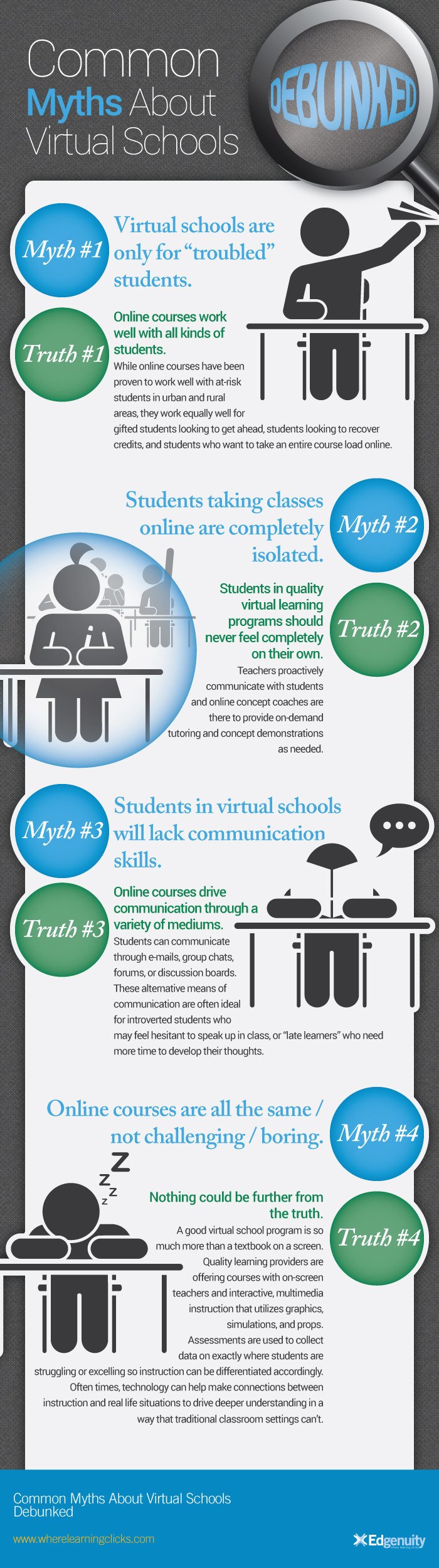
One of the earliest misconceptions about online schooling is that it equates to skipping out on genuine education. The truth is, online schooling often encompasses a rigorous curriculum. You’re engaging with interactive lessons, collaborating with classmates, and completing assignments that require critical thinking. The educators delivering these programs are dedicated professionals who invest their time and effort into crafting effective educational experiences. Instead of dodging real learning, online schooling invites you to take charge of your educational journey in a new, engaging way.
The Reality of Online Curriculum
Online curricula are designed to meet educational standards just like traditional classrooms. This means that the learning objectives are very much in line with what you’d find in a brick-and-mortar setting. You might even discover a wealth of resources—like videos, interactive quizzes, and discussion forums—that enhance your understanding of subjects. Additionally, you are not only absorbing information but also applying it through various online projects and assessments. With the right mindset, online schooling can be just as effective, if not more so, than conventional methods.
Myth 2: Online Schooling Lacks Social Interaction
When you hear “online schooling,” it can often conjure up an image of students holed up in their rooms, isolated from the world. This notion could not be further from the truth. Online education frequently incorporates numerous avenues for social interaction, whether through discussion boards, group projects, or live class sessions. You still get the chance to connect and collaborate with fellow students, albeit in a different format.
Building Community in Virtual Classrooms
Community is a vital aspect of education, and online programs often prioritize creating spaces where you can connect. Virtual study groups, peer-review sessions, and discussion forums give you the opportunity to engage with your peers. Many programs also offer extracurricular clubs and events that further enhance social interaction. The digital platforms used for online schooling are designed to foster connections—allowing you to not only engage academically but also socially.
Myth 3: Online Learning is Easier than Traditional Learning
You might assume that online education is a leisurely stroll in the park compared to the structured environment of a traditional classroom. However, this is a myth that doesn’t hold up under scrutiny. While online schooling often offers flexibility, that doesn’t mean it’s less demanding. In fact, you may find that online courses require more self-discipline and motivation to succeed.
The Flexibility Paradox
Online programs do provide an element of flexibility—you can often set your own schedule and complete work at your own pace. But this flexibility comes with its own set of challenges. You’ll need to be organized, manage your time well, and maintain consistent communication with your instructors and classmates. The freedom that comes from online schooling can be liberating, but you must also commit yourself to staying on track and engaged with your work. It’s about finding the balance between enjoying the freedom of online education and holding yourself accountable.
Myth 4: Online Schooling is Only for Tech-Savvy Students
A common belief is that online schooling is better suited for tech-savvy individuals. If you don’t consider yourself particularly skilled with technology, you might feel intimidated at the thought of pursuing online education. However, this is a myth that you can easily overcome. Many online programs are designed to accommodate varying levels of technological proficiency.
Support for All Skill Levels
Most educational institutions offer extensive support for students who might not be familiar with online learning tools. Orientation sessions often guide you through the platforms and resources you’ll need to succeed. Additionally, many courses come with user-friendly interfaces, and instructor support is readily available. You don’t have to be a tech expert; you just need a willingness to learn and adapt. Plus, as you go through the course, you’ll likely find that your comfort with technology increases, empowering you for future learning experiences.
Myth 5: Online Students Receive Less Individual Attention
Some may believe that in an online setting, students are lost in the crowd, receiving far less attention than in a traditional classroom. While it’s true that class sizes can vary, many online programs have been designed with individual attention in mind. In reality, the format of online schooling can often allow for more personalized interaction.
Personalized Learning Experience
Online education allows for tailored feedback to help you grow. You can often reach out to your instructors for one-on-one consultations through email or video calls, creating an opportunity for personalized guidance. Many platforms also have built-in tools that provide the opportunity for feedback on your assignments. You can engage in discussions and seek clarification when needed, ensuring that you’re not just another face in the crowd.
Myth 6: You Can’t Focus at Home
You might worry that studying at home will be rife with distractions—noisy siblings, the temptation of snacks, or the ever-present allure of your comfy couch. While it’s true that home environments can present unique challenges, you still have control over your study space. Many online learners successfully create focused environments that promote productivity.
Creating an Effective Study Space
The key to concentration lies in your ability to create a designated study area that minimizes distractions. Whether it’s a cozy corner in your room or a local coffee shop, find a space that allows you to focus and immerse yourself in your studies. Setting up a routine also helps you understand when you perform best—some people thrive early in the morning, while others might prefer late nights. Make your study process work for you by minimizing distractions and maximizing comfort!

Myth 7: Online Schooling Won’t Prepare You for Real-World Experiences
Many people worry that online schooling doesn’t provide the same real-world preparation as traditional methods do. However, online programs often emphasize skills and experiences that are extremely pertinent to the professional world.
Skills Development for the Modern Workforce
Online schooling frequently requires you to master skills such as self-motivation, discipline, and time management—traits that are valuable in any career. Furthermore, many online courses integrate real-world projects and case studies that give you hands-on experience. Collaboration with peers on large projects also mirrors workplace environments, teaching you to work in teams, communicate effectively, and solve problems creatively. Employers increasingly appreciate candidates who can adapt to remote work, making online graduates well-prepared for the ever-evolving job market.
Myth 8: Online Schooling is Only for Certain Subjects
You might think that online education is limited in scope, primarily offering courses in tech-related fields. However, online schooling covers a vast array of subjects, from humanities to sciences to arts. There’s an online program out there for nearly every academic interest.
Diverse Course Offerings
As education continues to evolve, more institutions recognize the benefits of offering a wide range of online courses. You can find programs for almost any subject imaginable, including history, literature, mathematics, and social sciences. Furthermore, many universities offer specialized tracks within these subjects, allowing you to tailor your education to your interests and career goals. Online learning provides the opportunity to explore diverse areas of knowledge from the comfort of your home.

Myth 9: You’ll Never Be a Part of a Real School
One of the most pervasive myths is that online students lack a connection to any school community. This notion can make you feel like an outsider to the educational world, but it’s vital to unpack this assumption. Many online schools strive to build inclusive communities for their students.
Engaging with the School Community
Online education doesn’t mean sacrificing a sense of belonging. Schools often facilitate opportunities for students to participate in virtual events, student organizations, and social media groups. These platforms help create an engaging environment where you can connect with friends and faculty. Additionally, many institutions host in-person events at various points throughout the academic year. Your connection to the school doesn’t disappear; rather, it changes form.
Myth 10: Employers View Online Degrees as Inferior
A long-standing concern is that employers deem online degrees as inferior to traditional ones. However, this belief continues to fade as more employers recognize the credibility and rigor of online education. A growing number of reputable institutions offer online learning, and students who persevere through online programs often emerge as highly competent candidates.
The Evolving Perception of Online Education
In today’s workforce, the focus is increasingly on skills and experience rather than where you obtained your degree. Many employers prefer candidates who can demonstrate a proactive approach to learning and adaptability. Being able to cite online coursework on your resume shows that you possess qualities like self-discipline and resilience. The stigma surrounding online degrees is diminishing—making it an exciting time to pursue education in this format.
As you delve further into online schooling, remember that many myths can be easily debunked, and the reality is rich with opportunities for growth, connection, and success. Whether you’re exploring options for your own education or encouraging someone else, it’s essential to keep an open mind and appreciate the benefits that online schooling can provide.
If you found this article helpful, please consider clapping, leaving a comment, and subscribing to my Medium newsletter for updates. Your support means the world!